Ad Blocker Detected
Our website is made possible by displaying online advertisements to our visitors. Please consider supporting us by disabling your ad blocker.
Your water ionizer’s maintenance needs can change after even a short period of nonuse, so its usual routine may not be enough. We can help you clean the exterior and dispensing area, flush the water path, replace filters on schedule, and descale the plates only by approved methods. We’ll also cover warning signs such as low flow, leaks, or unusual taste—and when it’s safer to stop using the unit and call for service.
Key Takeaways
- Turn off and unplug the ionizer as directed, then wipe its exterior with a soft, damp cloth; never spray water directly onto it.
- Flush the water path regularly according to the manual, especially before drinking after extended periods of nonuse.
- Replace filters on the manufacturer’s schedule, and check the indicator, water flow, and taste for signs of a problem.
- Descale electrolysis plates only as instructed, using approved cleaners and methods; avoid scraping or unapproved acids.
- For persistent errors, leaks, or unusual taste, stop using the unit and contact the manufacturer or a qualified service technician.
Clean the Exterior and Dispensing Area
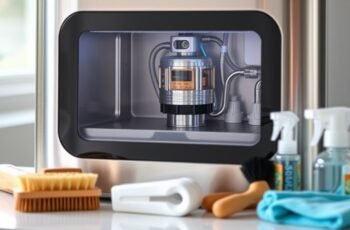
Wipe the ionizer’s exterior and dispensing area regularly to remove dust, fingerprints, and water residue. Before cleaning, turn off the unit and disconnect it from power if your manual recommends doing so. Use a soft, lint-free cloth dampened with clean water; don’t spray liquid directly onto the appliance. For stubborn marks, apply a small amount of mild dish soap to the cloth, then wipe the surface gently.
Wipe control panel surfaces with a barely damp cloth, keeping moisture away from buttons, seams, and electrical openings. Sanitize nozzle exterior with a manufacturer-approved food-contact-safe cleaner, following its label and the ionizer’s care instructions. Don’t use abrasive pads, bleach, solvents, or harsh cleaners, which can damage finishes or seals. Dry all cleaned areas with a fresh cloth before restoring power and dispensing water.
Flush the System Regularly
After cleaning the exterior, flush the ionizer’s internal water path as directed in its manual to clear stagnant water and residue. Use the unit’s flush function, if available, and let water run through the dispensing outlet for the specified duration. Keep the outlet clear and direct the flow into a sink or suitable container.
Follow the manufacturer’s flushing frequency guidelines, since recommended intervals can vary by model, water conditions, and periods of nonuse. Regular flush cycles help maintain steady flow and remove deposits that may collect inside the water path. If the ionizer has been idle for an extended time, flush it before drinking from it. Don’t exceed the manual’s instructions or use cleaning agents unless the manufacturer approves them. Record each flush when tracking routine maintenance.
Replace Filters on Schedule
Because filters trap sediment and other contaminants, replace them at the intervals specified in your ionizer’s manual. Filter replacement intervals vary by model, filter type, water quality, and daily use, so don’t rely on a generic calendar. We can track installation dates and set reminders to prevent overdue cartridges from reducing flow or filtration performance.
Check these replacement indicators regularly:
- Review the unit’s display or indicator light; follow the manual’s instructions when it signals a change.
- Note any sustained drop in water flow, which may indicate a clogged cartridge.
- Replace filters if water develops an unusual taste or odor, after confirming the cause.
- Use the specified cartridge, seat it securely, and reset the filter counter if required.
We should record each replacement date and monitor performance afterward.
Descale the Electrolysis Plates
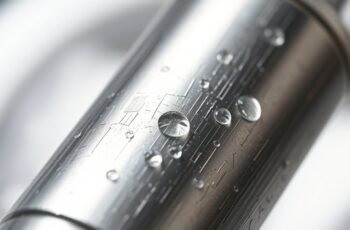
With filters changed on schedule, descale the electrolysis plates as directed in your ionizer’s manual to remove mineral buildup that can reduce water flow and electrolysis performance. Follow the manufacturer’s plate scale removal procedure, including its specified cleaner, concentration, and contact time. Don’t substitute vinegar or another household acid unless the manual approves it; incompatible chemicals can damage plate coatings and seals.
Before cleaning, unplug the unit and shut off its water supply. Use only the electrode cleaning methods and tools the manufacturer recommends, and avoid scraping or abrasive pads that could scratch the plates. Rinse thoroughly as instructed, then reassemble the unit and restore power and water. Keep a record of each descaling date and follow the manual’s interval, adjusting only when the manufacturer permits. This routine helps preserve plate condition and consistent operation.
Troubleshoot Common Water Ionizer Problems
When a water ionizer stops working as expected, check the display for an error code and consult the manual before changing settings or opening the unit. We can resolve many common faults with simple checks, but should disconnect power before inspecting connections.
- Low water flow: Check the inlet valve, supply hose, and prefilter for blockage or kinks. Replace a clogged filter on schedule.
- Unusual taste: Flush the unit, confirm the filter hasn’t expired, and inspect for stagnant water. If the taste persists, stop drinking the water and contact the manufacturer.
- No power: Verify the outlet and plug, then reset the unit as directed. Don’t bypass safety features.
- Leaks or persistent errors: Shut off water and power, note the code, and arrange qualified service.
We shouldn’t dismantle internal components or guess at repairs; that can damage plates and void warranties.
Frequently Asked Questions
How Much Does Professional Water Ionizer Maintenance Typically Cost?
Professional water ionizer maintenance typically costs $100–$300 per visit. Typical Service Fees cover inspection and cleaning; Repair Cost Factors include parts, labor, and service location. We recommend requesting an itemized estimate before scheduling your appointment.
Does a Water Ionizer Require a Dedicated Electrical Outlet?
Usually, we don’t need a dedicated outlet; your ionizer can plug into a standard grounded receptacle. Check its manual, Outlet amperage, and circuit grounding, and avoid sharing circuits with high-draw appliances to keep operation steady.
Can I Use a Water Ionizer With Well Water?
Yes, you can use a water ionizer with well water, but we recommend Well water filtration first. Arrange mineral testing to identify iron, hardness, and contaminants; then choose treatment compatible with your ionizer’s specifications.
How Long Does a Water Ionizer Usually Last?
A Typical water ionizer lifespan is about 5–15 years, depending on build quality, water conditions, and use. We can spot signs of ionizer wear through declining flow, inconsistent pH, leaks, or unusual noises.
Is It Safe to Leave a Water Ionizer Unused While Traveling?
Yes, we can leave your water ionizer unused while traveling; follow your model’s travel preparation guidance. Before drinking again, use its restart procedures, flush the system thoroughly, and check for leaks or unusual odors.
Conclusion
With routine care, we can keep a water ionizer operating reliably and protect water quality. Wipe the exterior safely, flush the system as directed, replace specified filters on schedule, and descale plates only by an approved method. If flow drops, taste changes, leaks appear, or an error persists, stop using the unit and contact qualified service. Isn’t consistent maintenance a small investment in dependable performance? Follow your model’s manual; it takes priority over general advice and helps prevent avoidable damage.