Ad Blocker Detected
Our website is made possible by displaying online advertisements to our visitors. Please consider supporting us by disabling your ad blocker.
When a water ionizer hums steadily at the sink, its upkeep can seem easy to overlook—until a filter light flashes or flow slows. We can keep costs predictable by tracking filter changes, routine cleaning, and occasional service, but the total depends on water quality, usage, and the unit’s design. Let’s break down what each expense covers and where a small maintenance step can prevent a much larger repair bill.
Key Takeaways
- Replacement filters typically cost $30–$150 each and are often changed every 6–12 months, depending on use and water quality.
- Cleaning supplies and descaling add costs that vary with the model, water hardness, and manufacturer’s maintenance schedule.
- Repairs range from about $50–$150 for simple hose or valve replacements to $200–$700 or more for major components.
- Diagnostic visits commonly cost $75–$150; ask whether labor, travel, parts, and shipping are included in estimates.
- Follow the manual, track maintenance dates, and check warranty terms to prevent avoidable repairs and budget accurately.
What Do Water Ionizer Maintenance Costs Include?
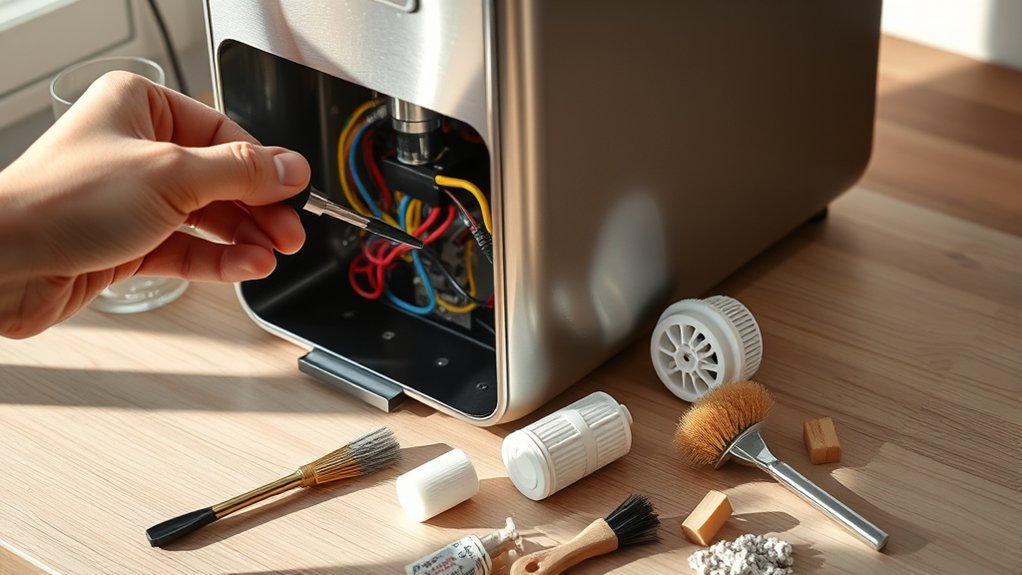
Water ionizer maintenance costs cover the recurring supplies, replacement parts, and service needed to keep the unit operating safely and reliably. We should account for routine cleaning, periodic sanitizing, and checks of electrical connections, water lines, and seals. These tasks help prevent scale buildup, leaks, and reduced performance. Filter lifespan affects how often we’ll need to service the unit, but maintenance also includes labor or tools required for installation and cleaning. Some models need periodic electrode cleaning or descaling, depending on water hardness and manufacturer instructions. We should review warranty coverage before arranging repairs: the terms may limit who can service the ionizer, which parts qualify, and whether labor is included. Keep maintenance records and follow the manufacturer’s schedule so we can identify recurring needs, preserve coverage, and budget for dependable operation.
How Much Do Replacement Filters Cost?
Filter replacement is often the most predictable recurring expense, but prices vary by ionizer model, filter type, and whether we buy a single cartridge or a multi-filter set. Check your manufacturer’s current parts list before budgeting; replacement filter prices commonly range from about $30 to $150 per cartridge, while proprietary or multi-stage sets can cost more. Confirm that each cartridge matches your unit’s model and filtration stage, since incompatible parts may reduce performance or prevent proper installation. Filter replacement frequency depends on the manufacturer’s schedule, water quality, and household consumption. Many systems call for replacement every six to twelve months, but heavy use or sediment-rich water can shorten that interval. We should track installation dates and follow the unit’s indicator or manual, rather than relying on taste or appearance to judge cartridge condition.
What Do Cleaning and Routine Upkeep Cost?
Beyond replacement cartridges, routine upkeep may add a modest cost for manufacturer-approved cleaning solutions, descaling agents, or test strips. We should check the manual before buying supplies, since some models require specific products while others need only water and a soft cloth. Cleaning supply expenses depend on the unit’s design and local water quality; budgeting a small annual amount can cover routine materials. Descaling frequency varies with mineral content and use, so follow the manufacturer’s schedule rather than applying treatments more often than needed. If our water is hard, we may need to descale more frequently, increasing supply costs slightly. We can reduce waste by measuring solutions accurately and keeping a simple maintenance log. Regular exterior cleaning and timely sanitation help preserve performance without adding unnecessary products or effort.
How Much Can Repairs and Servicing Cost?
Routine cleaning is usually inexpensive, but repairs and professional servicing can cost substantially more. Repair costs depend on the failed component, labor, and your unit’s age. Replacing a simple valve or hose may cost roughly $50–$150, while a new control board, pump, or electrolysis cell can run $200–$700 or more, including parts and labor. Prices vary by model and service region.
Service fees often include a diagnostic visit, typically about $75–$150, even if we don’t authorize a repair. Technicians may charge separately for travel, testing, and installation; ask for an itemized estimate before work begins. Warranty coverage can reduce eligible expenses, but labor or shipping may remain your responsibility. We should also confirm that replacement parts match the manufacturer’s specifications and that the technician can verify safe operation afterward.
How Can You Lower Water Ionizer Maintenance Costs?
To lower water ionizer maintenance costs, we can prevent avoidable wear with regular, model-specific care. Follow the manufacturer’s filter-replacement schedule, and use only compatible cartridges. Delayed changes can restrict flow and strain the pump; premature changes waste money. Clean electrodes as directed, using the specified procedure and solution, to limit mineral scale without damaging coatings. Check hoses, fittings, and seals for leaks, and address small problems before they affect electrical or water components.
We can also compare maintenance plans by checking what they cover, service intervals, replacement-part prices, and exclusions. Choose a plan that matches our unit’s warranty and actual usage, rather than paying for unnecessary visits. Keep service records and note filter dates, water quality, and error codes; this helps us spot patterns and schedule repairs efficiently. These steps can extend component lifespan and reduce avoidable service calls.
Frequently Asked Questions
How Often Should a Water Ionizer Receive Professional Maintenance?
We recommend professional service annually, though your manufacturer’s maintenance schedule may vary by model, water quality, and usage. We’ll help you check filters, clean electrodes, test performance, and address problems sooner when needed.
Does Hard Water Affect a Water Ionizer’s Lifespan?
Yes—hard water can shorten your ionizer’s lifespan, though it won’t inevitably ruin it. Hard water mineral buildup can restrict flow and accelerate electrode plate wear; we recommend following descaling schedules and using suitable pretreatment when needed.
How Can I Tell When My Water Ionizer Needs Servicing?
We can spot servicing needs through unusual noises, flow changes, weaker ionization, error codes, leaks, or persistent odors. Check filters and connections first; if symptoms continue after cleaning, we should contact a qualified technician promptly.
Does Regular Maintenance Affect a Water Ionizer’s Warranty?
Yes—regular maintenance can protect your warranty, but requirements vary. Check your manufacturer’s Warranty requirements, follow its service schedule, and keep maintenance records; we’ll help you verify approved procedures before servicing to avoid coverage disputes.
Can I Maintain a Water Ionizer Without Professional Help?
Yes, we can handle basic DIY maintenance tasks, such as cleaning plates and replacing filters, if we follow the manual. We should check replacement filter costs and warranty terms before attempting repairs or troubleshooting electrical issues.
Conclusion
Water ionizer maintenance costs are easier to manage when we treat upkeep like a small, scheduled investment rather than a surprise repair. We can budget for filters, cleaning, and occasional servicing, then follow the manufacturer’s guidance to keep the system running smoothly. Keep receipts and maintenance records, check warranty terms, and replace filters on time. These simple habits help us spot trouble early and keep costs from snowballing, so clean water stays a steady stream—not a costly detour.