Ad Blocker Detected
Our website is made possible by displaying online advertisements to our visitors. Please consider supporting us by disabling your ad blocker.
When we compare water ionizers, it’s a coincidence that two models with similar designs can differ in price by thousands of dollars. Most cost $1,000–$5,000, while basic units may start near $500 and premium models can exceed $6,000. We’ll look at what drives those differences, including plates, filtration, installation, and ongoing maintenance—because the purchase price is only part of the cost.
Key Takeaways
- Water ionizers typically cost $1,000 to $5,000, though basic models may start around $500 and premium units can exceed $5,000.
- Entry-level models generally cost $500 to $1,500; premium models often range from $2,000 to $6,000 or more.
- Price depends on features such as plate materials and surface area, filtration, controls, warranty, and brand support.
- Budget for ongoing costs, including replacement filters, maintenance, electricity, and possible servicing.
- Installation may be inexpensive for compatible countertop models, but under-sink units or kitchen modifications can add labor and parts costs.
How Much Does a Water Ionizer Cost?
How much does a water ionizer cost? The answer depends on more than the unit’s advertised price. We should consider installation, replacement filters, maintenance, and electricity use to assess the total cost of ownership. Product design, filtration capacity, electrode materials, warranty coverage, and service availability can also affect what we pay over time. Before choosing a model, we can compare specifications and verify whether its treatment performance has been independently tested. We should evaluate Health claims carefully: changes in water pH don’t establish medical benefits, and marketing statements aren’t substitutes for clinical evidence. The environmental impact also matters. A durable unit with replaceable components may reduce waste, while filter disposal and energy consumption add ongoing resource costs. These factors help us judge value without relying solely on purchase price or promotional promises.
What Is the Typical Price Range for a Water Ionizer?
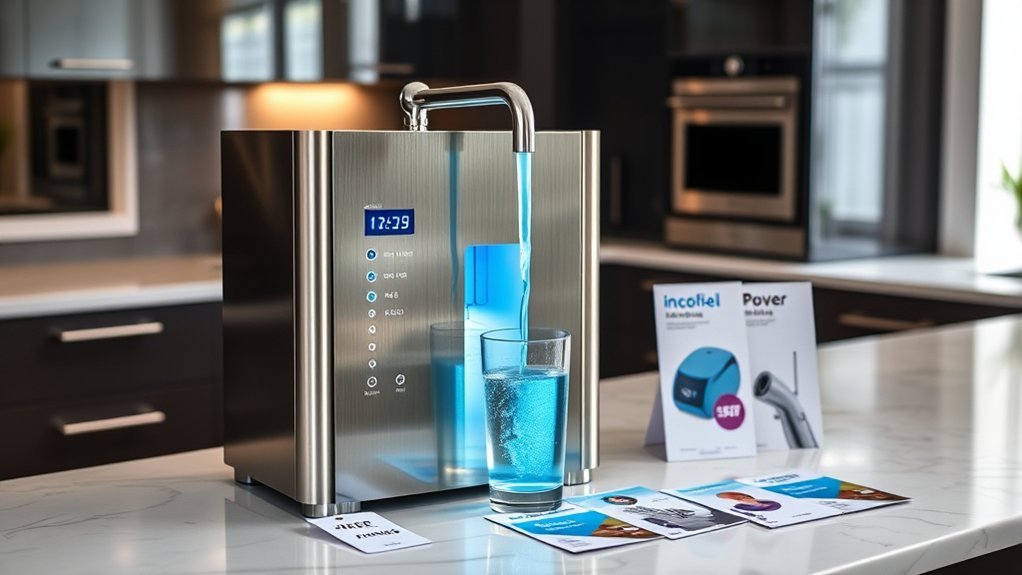
We can expect most water ionizers to cost from several hundred to a few thousand dollars. The price varies with features, plate count and material, filtration system, and warranty. We’ll compare these factors to explain where different models fall within the typical range.
Typical Price Range
Water ionizers typically cost about $1,000 to $5,000, though basic models may fall below that range and premium units can exceed it. We can use this range as a practical starting point when comparing options, rather than as a fixed market-wide rule. Entry-level units generally sit near the lower end, while many midrange and high-end systems fall between $2,000 and $5,000. Some specialized or premium models may cost more. Prices also vary by seller and location, so market demand and regional pricing can affect the amount you see. When reviewing quotes, we should compare the listed purchase price and confirm whether it covers the complete unit. This range describes typical retail pricing; it doesn’t guarantee a particular model’s performance, lifespan, or suitability for your household.
Factors Affecting Cost
Beyond the model’s base price, several features can affect what we pay for a water ionizer. Plate count and material are major cost drivers: units with more titanium plates coated in platinum generally cost more and can support a wider range of water outputs. Filtration also matters; multi-stage systems and readily available replacement cartridges may raise the purchase price and ongoing expenses. We should compare flow rate, pH settings, controls, and installation requirements, since advanced features can add cost without benefiting every household. Brand reputation may influence pricing through manufacturing standards, service access, and product support. Warranty coverage can also affect value: longer terms may protect key components, but we should check exclusions and labor costs. Comparing specifications and total ownership costs helps us assess whether a higher-priced ionizer suits our needs.
How Do Water Ionizer Prices Vary by Model Tier?
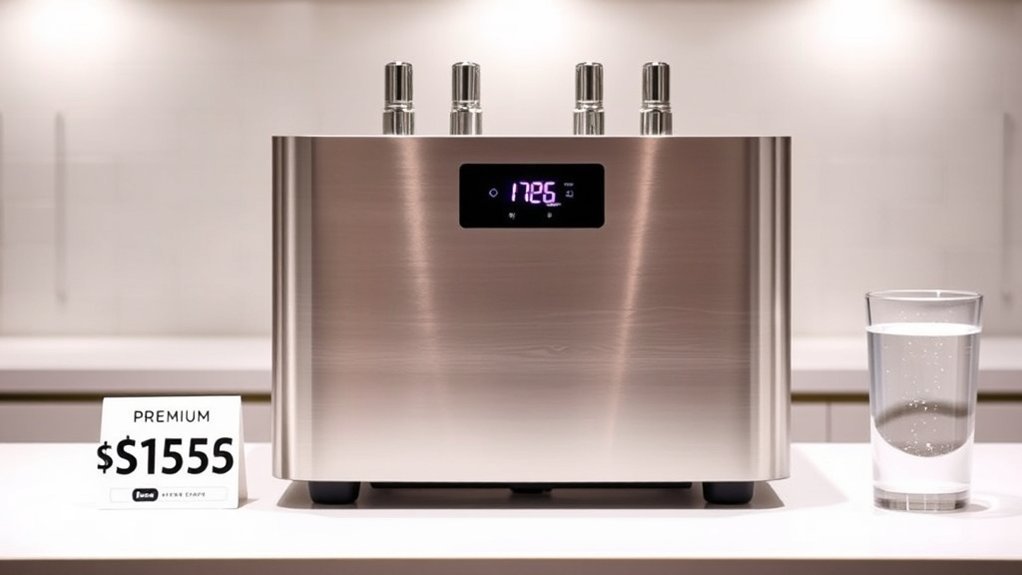
We can compare water ionizers by model tier, starting with entry-level units that typically offer fewer plates and basic controls. Premium models often cost more because they may include additional plates, advanced settings, or higher-capacity components. We’ll examine how these differences affect price and features.
Entry-Level Models
Entry-level water ionizers typically cost $500 to $1,500, with price varying by filtration capacity, electrode design, and available pH settings. We can compare core features to identify what drives cost within this tier.
| Feature | Typical entry-level offering |
|---|---|
| Filtration | Single or basic multi-stage |
| Electrodes | Fewer plates; simpler design |
| pH settings | Limited selection |
| Warranty | Varies by manufacturer |
When we assess Entry Level Brand Reputation, we should check warranty terms, replacement-filter availability, and independent service support rather than rely on marketing claims. Basic Model Durability depends on materials, maintenance requirements, and access to replacement parts. A lower purchase price may involve more frequent filter changes, so we should include expected upkeep in our budget. Compare specifications carefully: models in this range differ, and the lowest-priced option may not meet your household’s water-use needs. Verify that the stated output and filtration claims are supported by product documentation.
Premium Model Pricing
Premium water ionizers typically cost $2,000 to $6,000 or more, with price differences tied to electrode count and materials, filtration systems, pH range, and warranty coverage. Higher-end models may use more titanium plates with platinum coatings, which can increase electrolysis capacity and durability. Advanced filtration can remove a broader range of contaminants, while precise controls may offer more selectable pH levels and flow settings. We should compare these features with our water quality needs rather than assume a higher price guarantees better performance. Brand reputation also affects pricing, reflecting manufacturing standards, customer support, and parts availability. Check warranty coverage for the electrolysis cell, electronics, and labor separately, since terms can vary by component. Before buying, compare independent performance data, replacement filter costs, and service requirements to estimate long-term ownership expenses.
What Features Affect the Cost of a Water Ionizer?
A water ionizer’s price depends on the components and functions built into the unit. We can compare models by examining their electrolysis systems, controls, and filtration features. Electrode plate material affects durability and electrical performance; titanium plates with platinum coatings generally cost more than less durable alternatives. The number and surface area of plates also influence how effectively a unit processes water and may raise its price.
Digital display options range from basic indicators to touchscreens that show operating settings, water flow, or maintenance alerts. More advanced controls can increase manufacturing costs. We should also consider built-in filters, replacement reminders, and adjustable output settings, since these features add components and functionality. A higher price may reflect greater capacity or more precise controls, but we’ll want to match features to our household’s water use and needs.
How Much Does Water Ionizer Installation Cost?
After comparing a water ionizer’s features, we should also account for installation costs, which vary by the unit and our kitchen’s plumbing. A countertop model usually connects to a faucet diverter, so we may install it ourselves if the fittings match. An under-sink unit often needs more labor because it requires a dedicated water line, drain access, and sometimes an electrical outlet.
- DIY: We can avoid labor charges, but DIY installation risks include leaks, damaged fittings, and incorrect connections.
- Professional service: A plumber typically charges for labor and any required parts; ask for an itemized estimate before booking.
- Compatibility: We should complete plumbing compatibility checks for faucet threads, water pressure, available space, and electrical access before buying.
Installation may cost little for a simple setup or substantially more when modifications are needed. Get quotes based on the specific model and kitchen.
What Are the Ongoing Costs of Owning a Water Ionizer?
Beyond the purchase and installation, a water ionizer can add recurring costs for replacement filters, periodic cleaning, and occasional servicing. We should also account for electricity consumption, though many units use modest power and operate only when dispensing water. Actual expenses depend on the model, local utility rates, water quality, and usage.
| Ongoing item | Typical cost factors |
|---|---|
| Replacement filters | Model, water quality, usage |
| Routine cleaning costs | Cleaning supplies, frequency |
| Electricity consumption | Wattage, utility rate, use |
| Occasional servicing | Parts, labor, warranty |
| Water testing | Test kits or professional analysis |
We can reduce avoidable expenses by following the manufacturer’s cleaning instructions and keeping service records. Hard water or heavy use may increase maintenance needs, while warranty coverage can limit some repair costs. Check the manual and local prices to estimate a realistic annual budget before choosing a unit. These expenses are separate from the initial equipment and installation price.
How Often Do Water Ionizer Filters Need Replacing?
We should check your ionizer’s manual for its recommended filter replacement schedule, since intervals vary by model and water quality. Many filters need replacement every 6 to 12 months, but usage and contaminant levels can shorten that period. We can also watch for reduced flow, changes in taste or odor, or a filter-life alert as signs that replacement may be due.
Typical Replacement Schedules
Most water ionizer filters need replacement every 6 to 12 months, but the exact schedule depends on the model, water quality, and daily use. We can use the manufacturer’s guidance as our baseline, then adjust maintenance intervals to match household conditions. Check the manual for cartridge capacity, measured in gallons, because a busy household may reach that limit before a year.
- Pre-filter: Replace it every 3 to 6 months if it handles sediment or chlorine.
- Main carbon filter: Plan for replacement every 6 to 12 months, subject to its rated capacity.
- Specialty cartridge: Follow the model’s schedule; some last 12 to 24 months.
Track installation dates and water use so we can estimate replacement frequency accurately. If your unit has multiple cartridges, replace each on its specified schedule rather than changing them all at once.
Signs a Filter Needs Replacing
Along with following the replacement schedule, we can watch for signs that a water ionizer filter is nearing the end of its service life. Unusual filter odors or changes in taste may indicate that the media no longer removes contaminants effectively. We should also check for reduced water flow, which can result from sediment buildup or a clogged cartridge. A persistent drop in flow may point to a filter restriction, though low household pressure or a blocked inlet can cause similar symptoms. If water appears cloudy or the ionizer’s indicator signals replacement, we can consult the manual and inspect the cartridge. These signs don’t confirm filter failure on their own, so we should verify the model’s guidance and replace the filter with a compatible part when needed. After installation, we should flush it as directed.
Are Cheaper Water Ionizers Worth Buying?
Cheaper water ionizers can be worth buying if their filtration, electrode quality, and warranty meet your needs, but a low price alone does not establish value. We should compare specifications and likely ownership costs, not just purchase prices. Consider these factors before choosing:
- Filtration: Check which contaminants the included filter is certified to reduce, its replacement interval, and the cost of cartridges.
- Electrodes: Review plate material, number, and surface area; these affect performance and may reveal budget tradeoffs.
- Warranty and service: Confirm coverage for the cell, parts, and labor, plus access to replacement components.
We should also weigh durability concerns: a short warranty or limited service support can make a low-cost unit expensive over time. If specifications are clear and support is reliable, an affordable model may suit your needs. Don’t assume price alone predicts lifespan.
How Do Water Ionizers Compare With Other Water Filtration Systems?
Although water ionizers filter tap water, they differ from systems designed primarily to remove specific contaminants. Most use carbon prefilters to reduce chlorine, odors, and some organic compounds, then apply electrolysis to alter water’s pH. They don’t necessarily remove dissolved salts, metals, or microbes unless their filtration stages are certified for those reductions.
In a Reverse osmosis comparison, an RO system typically removes a broader range of dissolved substances through a semipermeable membrane, though it also rejects some minerals and produces wastewater. Carbon filtration benefits include simpler operation and targeted taste and odor improvement, but performance depends on the filter and replacement schedule. We should match a system to our water quality and treatment needs: ionizers focus on electrolysis, while RO and specialty filters target measurable contaminants. Check independent certifications and test results before comparing claims.
How Can You Get the Best Value When Buying a Water Ionizer?
Once we’ve matched a water ionizer’s filtration claims to our water quality needs, we can compare its total cost of ownership—not just its purchase price. Include replacement filters, installation, electricity, and maintenance in our estimate. Then check these three factors before choosing:
Compare a water ionizer’s total cost of ownership, including filters, installation, electricity, and maintenance—not just its purchase price.
- Compare warranty terms: Review coverage length, exclusions, labor costs, and whether the manufacturer requires scheduled maintenance. A longer warranty isn’t automatically better if key components aren’t covered.
- Evaluate seller support: Confirm that we can get technical help, replacement parts, and service locally. Check return policies and who handles warranty claims.
- Verify operating costs: Check filter life and prices against our expected water use. Confirm the unit’s flow rate and electrical requirements suit our household.
We’ll get better value by comparing models with equivalent performance, verified certifications, and realistic long-term costs, rather than paying extra for features we won’t use.
Frequently Asked Questions
Does a Water Ionizer Change the Taste of Tap Water?
Yes, a water ionizer can change tap water’s taste. We may notice Taste differences because electrolysis alters pH, while Mineral influence varies by source water; dissolved minerals and filtration also affect flavor and mouthfeel.
Is Alkaline Water Safe to Drink Every Day?
Yes, alkaline water can be safe for daily intake for most healthy adults—your kidneys aren’t facing a superhero-sized challenge. We recommend moderation; potential risks include altered mineral balance and complications for people with kidney disease.
Can a Water Ionizer Remove Bacteria and Viruses?
No, a water ionizer doesn’t reliably remove bacteria or viruses. We recommend certified microbial filtration or disinfection for pathogen removal, and you should test your water and follow local health guidance before drinking it.
Does a Water Ionizer Work With Well Water?
Yes, we can use a water ionizer with well water, but test and treat it first. Well water filtration removes contaminants; hardness minerals can cause mineral buildup, so we should maintain the unit regularly.
Can Children and Pets Drink Ionized Water?
Yes, children and pets can generally drink ionized water, but we recommend regular, potable water for routine hydration. Follow age guidelines from your pediatrician, prioritize pet hydration with fresh water, and consult your veterinarian about concerns.
Conclusion
When we compare water ionizers, we should look beyond the sticker price. Entry-level units may cost about $500, while many models fall between $1,000 and $5,000; premium systems can exceed $6,000. We should also account for installation, replacement filters, cleaning, and service. Checking certified contaminant-reduction claims, warranty coverage, and ongoing costs helps us judge value more accurately. A lower purchase price may be a false economy if maintenance or performance falls short over time.