Ad Blocker Detected
Our website is made possible by displaying online advertisements to our visitors. Please consider supporting us by disabling your ad blocker.
When we compare alkaline water machines, we find prices ranging from about $50 for basic pitchers to several thousand dollars for premium ionizers. The purchase price is only part of the cost: we also need to account for installation, replacement filters, electricity, and repairs. A higher price doesn’t guarantee better water quality or health benefits, so let’s look at which features and ongoing expenses matter most before we choose a system.
Key Takeaways
- Basic alkaline water pitchers cost about $50; countertop and under-sink systems typically cost $200–$1,500, while premium ionizers can cost several thousand dollars.
- Countertop models usually cost less to install; under-sink installation may add $100–$300 in plumber labor, plus parts.
- Replacement filters typically cost $20–$100 per cartridge, with proprietary or multi-stage sets sometimes costing more.
- Compare total ownership costs, including filters, installation, electricity, service, repairs, and shipping—not just the purchase price.
- Higher prices do not guarantee better water quality; check independent test results, certifications, warranty coverage, and filter availability.
How Much Do Alkaline Water Machines Cost?
Alkaline water machines range from about $50 for basic pitchers to several thousand dollars for premium ionizers, with many countertop and under-sink systems priced between $200 and $1,500. The final amount depends on the filtration method, installation needs, and included accessories. Before buying, we should compare the total cost, not just the advertised price: replacement filters, shipping, taxes, and plumbing work can add to the initial expense. Retailer price differences may reflect promotions, warranties, bundled filters, or return policies, so we should check what each offer includes. Purchase financing options can spread payments, but we should review interest rates, fees, and repayment terms before committing. We can also compare manufacturer websites with authorized dealers and major retailers. Verify warranty coverage and confirm that replacement filters remain available at a reasonable ongoing cost.
What You Get at Each Price Range
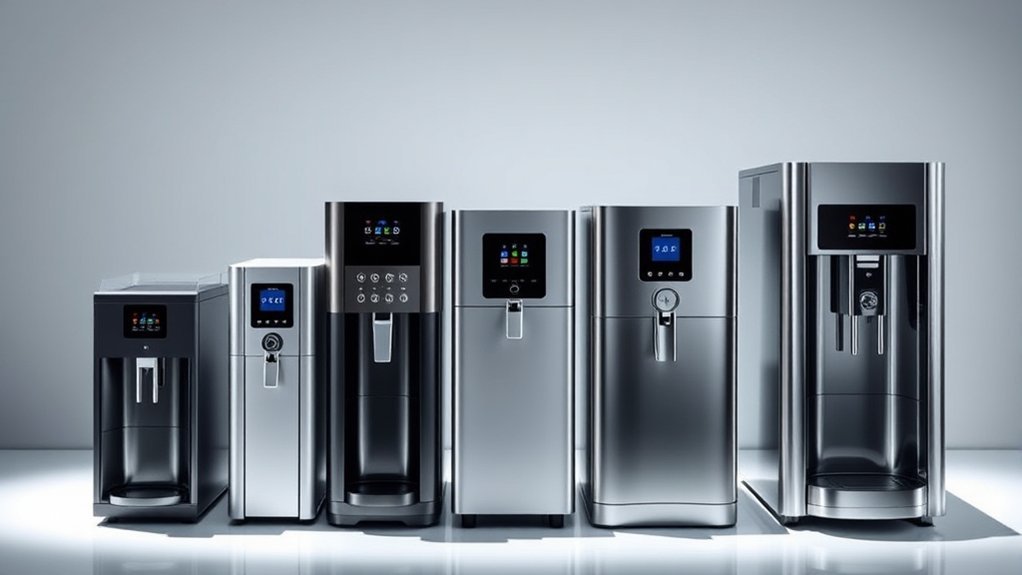
Price tiers generally reflect capacity, filtration, controls, and installation requirements—not a guaranteed improvement in water quality. We should compare specifications and included accessories, then confirm warranty coverage and replacement-filter costs before buying.
| Price range | Typical features | Check before purchase |
|---|---|---|
| Entry-level | Basic controls, limited filtration stages | Filter availability and rated capacity |
| Midrange | More settings, monitoring, upgraded filters | Replacement cost and service terms |
| Premium | Advanced controls, larger capacity, added functions | Installation needs and warranty exclusions |
These tiers describe common offerings, not standardized categories; verify each model’s documentation. A higher price may buy convenience or capacity, but it doesn’t establish better health outcomes. We can assess filtration claims by checking independent test data and the contaminants tested. Confirm whether the quoted price includes delivery, setup, and required fittings. Compare the full ownership cost over the expected service life, not just the purchase price.
How Machine Type Affects the Price
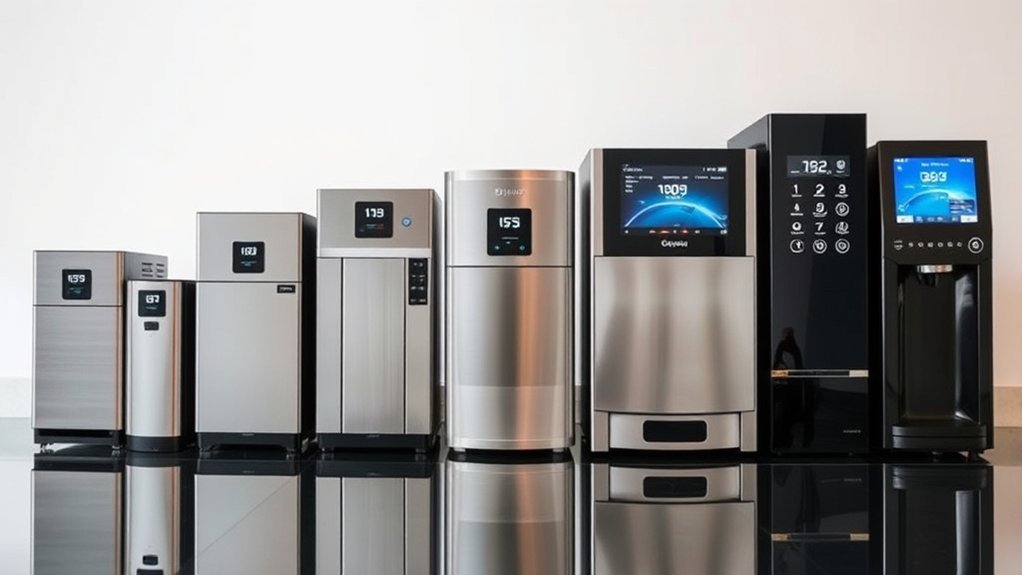
We’ll compare countertop and under-sink machines, since installation and system design affect upfront cost. We’ll also look at how features—such as filtration stages and preset settings—shape price tiers. Use these differences to match a machine’s cost and setup to your needs.
Countertop Versus Under-Sink
Because they’re easier to install, countertop alkaline water machines typically cost less upfront than under-sink models, which may require plumbing work and more complex installation. We can often connect a countertop unit directly to a faucet, while an under-sink system may need a dedicated faucet and changes to existing plumbing. That work can add labor costs, so compare the installed total, not just the machine price.
| Type | Installation | Price factors |
|---|---|---|
| Countertop | Faucet connection | Unit and adapter |
| Under-sink | Plumbing changes | Unit, faucet, labor |
Choose based on your kitchen and budget. Countertop convenience suits renters or households avoiding installation work, though the unit occupies counter space. An under-sink model preserves the counter but needs under sink space and compatible plumbing. Before buying, confirm connection requirements and ask an installer for a quote if modifications may be needed.
Features And Price Tiers
Beyond installation style, machine type and features also shape the total cost. We’ll usually pay more for a multi-plate countertop or under-sink ionizer than for a basic unit, but price alone doesn’t prove better performance. Compare specifications and warranty coverage before choosing.
- Electrode plate materials: Titanium plates with platinum coating often cost more than simpler materials. Check plate count, coating details, and manufacturer documentation rather than relying on “medical grade” claims.
- Water ionization settings: More selectable pH levels can raise the price. Choose settings that match your intended use; extra options may add little value if you won’t use them.
- Filtration and controls: Replacement-filter costs, flow rate, and clear maintenance alerts affect ownership costs. Confirm filter availability and service intervals, then compare total expenses over several years.
A mid-tier model may balance useful controls, reliable filtration, and manageable upkeep.
Installation Costs for Alkaline Water Machines
Installation costs for alkaline water machines range from zero for a countertop model to several hundred dollars for a professionally fitted under-sink system. We can usually connect countertop units to an existing faucet without tools. Under-sink installation may require plumbing changes, a dedicated faucet, and a nearby power source. Check your model’s manual and site conditions before budgeting.
| Installation factor | Typical cost impact |
|---|---|
| Countertop connection | Usually $0 |
| DIY under-sink setup | Parts and tools only |
| Plumber labor fees | Often $100–$300 |
| New faucet or fittings | Adds parts cost |
| Electrical outlet requirements | May require electrician |
We should get local quotes because labor rates, access, and modifications vary. Confirm whether the installer includes permits, leak testing, and cleanup. If the cabinet lacks an outlet, don’t use an extension cord unless the manufacturer approves it; ask an electrician about a compliant outlet.
How Much Do Replacement Filters Cost?
Replacement filters for alkaline water machines typically cost $20–$100 per cartridge, while proprietary or multi-stage sets can cost more. We should compare prices by filter type and verify the listed model number before ordering; similar-looking cartridges may not fit or meet the unit’s specifications. Check whether the price includes every stage or only one component.
- Filter lifespan: Follow the manufacturer’s rated capacity and replacement interval. Actual service life can vary with water quality and household use, so don’t assume one schedule fits every home.
- Compatible alternatives: We can consider third-party cartridges only when the manufacturer confirms compatibility and the product states its filtration standards. A lower price isn’t useful if performance or fit is uncertain.
- Total purchase cost: Include shipping, required cartridges, and any bundled sets when comparing options. Keep the model number handy to avoid buying the wrong replacement.
Maintenance Costs and Expected Lifespan
We should include filter replacement costs when estimating an alkaline water machine’s ongoing maintenance. Check the manufacturer’s replacement schedule and filter prices, since both vary by model and water use. We can then compare those recurring costs with the machine’s expected lifespan to estimate its total cost of ownership.
Filter Replacement Costs
Filter costs add to an alkaline water machine’s long-term price, and the total depends on the model, cartridge type, and replacement schedule. We should check the manufacturer’s stated capacity and change interval, then compare cartridge prices with our expected water use. Actual replacement frequency can vary with feed-water quality and volume, so treat estimates as a budget, not a guarantee.
- Calculate annual cost: Divide each cartridge’s price by its recommended service interval, then account for any required prefilters.
- Check supply: Confirm replacement cartridge availability before buying; proprietary or discontinued filters can complicate routine maintenance.
- Compare purchasing options: Filter subscription plans may reduce per-cartridge cost or prevent missed changes, but review shipping fees, cancellation terms, and delivery timing.
We should replace cartridges on schedule and follow the maker’s instructions. Delayed changes can reduce flow or filtration performance; use any indicator as a prompt, not a substitute for guidance.
Expected Machine Lifespan
A machine’s lifespan depends on build quality, water conditions, and upkeep, so don’t assume a fixed service life without manufacturer data. Check the warranty, rated operating hours, and availability of replacement parts before buying. These details offer stronger evidence of typical durability than broad lifespan claims.
We can extend service life by following the manufacturer’s cleaning schedule, replacing filters on time, and preventing scale buildup when local water is hard. Track repair frequency and costs; recurring leaks, electrical faults, or declining output may signal that replacement is more economical than another repair. Ask the seller about service access and labor rates, since a long-lasting unit can still cost more to own if repairs require specialized technicians.
Compare expected maintenance and repair expenses with the purchase price to estimate total ownership cost, not lifespan alone.
What Features Are Worth Paying More For?
When comparing alkaline water machines, pay more for features that address your water quality, safety, and expected use—not for claims about health benefits. We’ll get more Long term value from verifiable performance than from extra pH settings or flashy displays. Check whether the machine’s materials and certifications suit your household, and confirm that replacement filters remain available.
- Filtration: Match certified contaminant reduction to a water test or local utility report; ionization alone doesn’t establish safe water quality.
- Monitoring: Choose clear filter-life alerts and straightforward maintenance instructions, which help us replace cartridges on schedule.
- Construction: Look for durable, food-contact materials, leak protection, and a warranty that covers key components.
If your source water has a known issue, prioritize a treatment system certified for that contaminant. Pay extra for documented safeguards and useful service support, not unsupported promises about wellness or unusually high pH.
How to Choose a Machine That Fits Your Budget
To choose a machine that fits our budget, we should compare the full cost of ownership—not just the purchase price. Include replacement filters, expected service, electricity, and any installation costs. Check the manufacturer’s stated filter life and replacement price, then estimate annual expenses based on your household’s water use. Compare warranty length and coverage, since repairs outside the warranty can change the total cost.
For effective budget planning, set a firm spending limit and keep a reserve for routine maintenance. Match capacity and features to actual needs; paying for functions we won’t use rarely improves value. Verify that replacement filters are available and compatible before buying. Purchase timing can also affect cost: compare prices across authorized sellers, watch for documented discounts, and confirm that a sale doesn’t reduce warranty coverage or include outdated stock.
Frequently Asked Questions
Are Alkaline Water Machines Safe to Use Every Day?
Yes, we can use alkaline water daily if we’re healthy, but evidence doesn’t show added benefits over regular water. For Daily Hydration, choose safe, tested water; ask your clinician about kidney conditions or Long Term Effects.
Does Alkaline Water Taste Different From Regular Tap Water?
Taste Compared, alkaline water may taste slightly smoother or more mineral-like than tap water, but differences vary by source and treatment. We can’t guarantee you’ll notice; your Flavor Preferences and local water quality matter most.
Can Alkaline Water Machines Connect to a Refrigerator or Ice Maker?
Yes, we can connect some alkaline water machines to refrigerators or ice makers, but compatibility varies. Check Refrigerator dispenser compatibility, Ice maker connection options, required pressure, tubing, and manufacturer guidance before installation; use a plumber if needed.
Do Alkaline Water Machines Require a Dedicated Electrical Outlet?
Usually, alkaline water machines don’t require a dedicated outlet; many use a standard grounded receptacle. Check your model’s voltage, amperage, and plug specifications for electrical compatibility, and follow its Outlet requirements and installation instructions.
Can Renters Install an Alkaline Water Machine Without Modifying Plumbing?
Yes, you can install many alkaline water machines without modifying plumbing. We recommend countertop installation for rental friendly options; connect the unit to a faucet as directed, and confirm your lease permits temporary adapters.
Conclusion
The sticker price is only the beginning: as the saying goes, “look before you leap.” Before buying an alkaline water machine, we should compare its upfront cost with installation, replacement filters, electricity, servicing, and likely repairs. We should also check filter availability, rated capacity, warranty terms, and independently documented contaminant reduction. A higher price doesn’t guarantee better water quality or health benefits. By matching verified performance and ongoing costs to our budget, we can choose a machine that makes practical sense over time.