Ad Blocker Detected
Our website is made possible by displaying online advertisements to our visitors. Please consider supporting us by disabling your ad blocker.
We can finance a water ionizer through a retailer plan, personal loan, credit card, or buy-now-pay-later service, but the lowest monthly payment may not mean the lowest cost. Let’s compare APRs, fees, repayment terms, and total repayment, then add delivery, installation, and ongoing costs to the budget. Before choosing, we’ll also check promotional conditions and eligibility—because one detail can change which option makes sense.
Key Takeaways
- Compare retailer financing, personal loans, credit cards, and buy-now-pay-later plans by APR, fees, repayment term, and total cost.
- Calculate the full price, including delivery, taxes, installation, required accessories, interest, and maintenance.
- Check whether rates are fixed or variable, review eligibility and promotional conditions, and confirm terms in writing.
- Choose payments that fit your budget alongside essential bills and savings; compare total repayment, not just monthly amounts.
- Confirm early-repayment penalties, missed-payment consequences, payment-date flexibility, warranty coverage, and return policies.
Compare Water Ionizer Financing Options
When comparing water ionizer financing options, look beyond the monthly payment: we should weigh the total cost, interest rate, fees, repayment term, and any early-payment penalties. A low payment can hide a longer term and higher overall expense, so let’s calculate what we’ll pay from start to finish. Check whether the quoted amount includes delivery, filters, and required accessories, then assess installation costs before deciding how much to borrow. We should also compare warranty coverage across models and lenders, since repairs or exclusions could add unexpected costs during repayment. Match the term to our budget without stretching payments beyond the product’s useful life. If rates vary, compare fixed and variable options and read the agreement carefully. Choose financing that keeps the total manageable, not merely the monthly bill.
Check Retailer Payment Plans and Promotions

Let’s compare retailers’ payment plans, including monthly costs, fees, and interest. We should also check promotional offers, such as discounts or deferred interest. Read the terms carefully so we can choose an option that fits your budget.
Compare Payment Plans
Before choosing a water ionizer, compare retailers’ payment plans and promotions. We can judge each plan by its total cost, payment schedule, and flexibility—not just its advertised monthly amount. Use this checklist to see which option fits your budget:
| Plan detail | What we should check |
|---|---|
| Deposit | Amount due upfront |
| Term | Number of monthly payments |
| Interest | Rate and total financing cost |
| Fees | Late, setup, or service charges |
| Flexibility | Early payoff and missed-payment rules |
Let’s calculate the full amount we’ll pay, then compare it with the cash price. A longer term may ease cash flow, but it can increase total costs. We should also test the payment against monthly budgeting needs, including bills and savings. Before signing, read the agreement and confirm whether the stated terms apply to our chosen model. Choose a plan we can maintain comfortably.
Check Promotional Offers
Retailer promotions can lower the upfront cost of a water ionizer, but we should check the terms before counting the savings. Compare the sale price with the model’s usual price at other sellers, and confirm whether the discount applies to the unit you want. Search for manufacturer discount codes, and sign up for seasonal sale alerts so we can time a purchase without rushing.
Next, read the offer’s fine print. Check expiration dates, excluded models, minimum purchase requirements, and whether discounts can combine with financing. A lower price may not offset interest, fees, or a shorter repayment period. We should also verify return policies and warranty coverage, since promotional purchases may have different conditions. Calculate the total amount we’ll pay, including delivery and taxes, then compare it with our budget and other payment options before committing.
Consider a Personal Loan for Your Ionizer
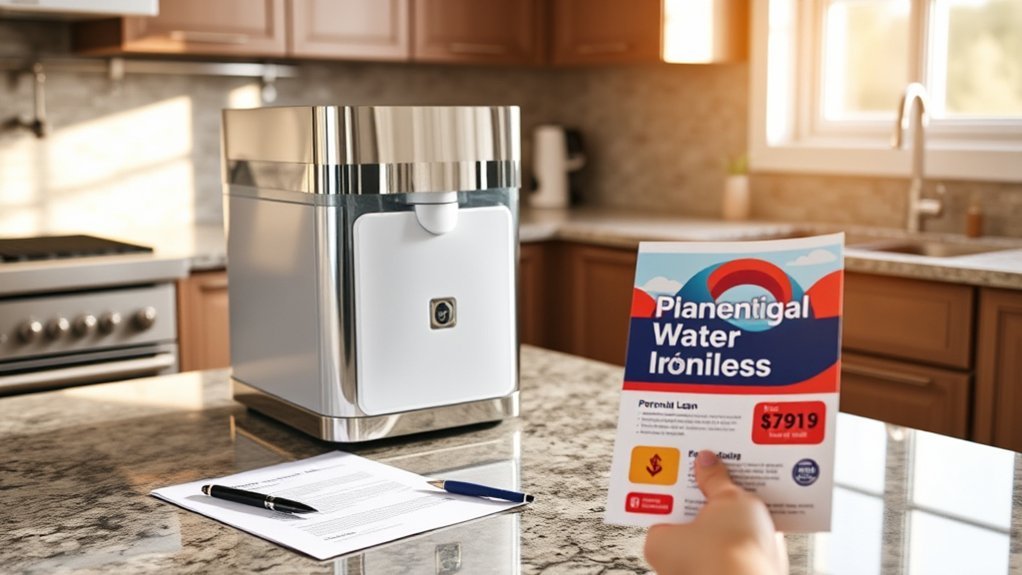
A personal loan can help us spread the cost of an ionizer, but we should compare rates before borrowing. Let’s review each lender’s repayment terms, including fees and loan length. We can then choose a payment that fits our budget.
Compare Loan Rates
Compare personal loan offers before financing your ionizer; rates, fees, and repayment terms can change the total cost considerably. For a useful APR comparison, we should check each lender’s annual percentage rate, which includes interest and certain fees. Don’t judge an offer by its advertised rate alone; confirm whether you qualify for that rate and whether the lender charges origination or application fees.
Use interest benchmarks from banks, credit unions, and reputable online lenders to see whether a quote is competitive. We can request multiple quotes within a short period, since some credit-scoring models treat rate-shopping inquiries as one. Compare the total amount you’d repay, not just the monthly payment, and borrow only what your budget can support. If rates seem high, consider delaying the purchase while improving your credit profile.
Review Repayment Terms
Before choosing a personal loan for your ionizer, check how the repayment term fits your budget. A longer repayment duration can lower each monthly installment, making payments easier to manage. However, we’ll usually pay more interest over time, increasing the total cost. A shorter term can reduce interest but may require payments that strain our monthly budget.
Let’s compare several term options and calculate the full amount we’ll repay, including fees. We should also check whether the lender charges for early repayment or allows us to adjust payment dates. Before applying, we can add the proposed installment to our regular expenses and leave room for savings and unexpected costs. If the payment feels tight, we should consider a less expensive ionizer or save for a larger down payment rather than risk missed payments.
Weigh Credit Cards and Buy-Now-Pay-Later
When a water ionizer’s upfront cost strains your budget, a credit card or buy-now-pay-later plan may spread payments over time. We can compare both options against our monthly budget and repayment terms before choosing.
- Credit cards: We may earn Credit card rewards, but only if we pay on time and avoid carrying a costly balance. Check the card’s interest rate and promotional-period rules.
- BNPL plans: We should review payment dates, late fees, and BNPL protections, including how the provider handles disputes, returns, or missed payments.
- Choose carefully: We can set reminders and confirm each payment fits alongside essential bills. If either option encourages spending beyond our limit, we should pause and consider a less expensive model.
A convenient payment method isn’t automatically affordable. We’ll want clear terms and a realistic repayment plan before committing.
Calculate the Full Cost of Financing
To see what a water ionizer will really cost, we should add interest, fees, and any required maintenance to the purchase price. We can compare payment plans by calculating the total interest and finance charges across the full term, then adding upkeep.
| Cost item | What to include | Estimate |
|---|---|---|
| Purchase | Ionizer price | $1,200 |
| Interest | Total over loan term | $180 |
| Fees | Financing charges | $40 |
| Maintenance | Filters and service | $120 |
In this example, we’d budget $1,540 overall, not just the $1,200 sticker price. Use the lender’s payment schedule to find total payments, and check whether maintenance costs recur. If a longer term lowers monthly payments but raises the overall amount, compare that extra cost with your budget before choosing. A simple spreadsheet can help us weigh options side by side.
Check Rates, Fees, and Eligibility
Once we’ve compared total financing costs, we should check the annual percentage rate (APR), fees, and eligibility requirements for each offer. APR helps us compare borrowing costs, but we should confirm whether it’s fixed or variable and how long the quoted rate lasts. To avoid surprises, we can:
- Check lender eligibility: Review minimum credit scores, income rules, and residency requirements before applying. Ask whether prequalification uses a soft credit check.
- Identify hidden fees: Look for origination, application, late-payment, returned-payment, and early-repayment charges. Confirm which fees are included in the advertised APR.
- Verify the offer: Compare the written terms with the lender’s advertisement, including promotional-rate expiration and any conditions for approval.
We should request a complete fee schedule and clarify unclear terms in writing. Checking details before submitting an application helps us avoid unnecessary costs and credit inquiries.
Choose a Payment Plan That Fits Your Budget
Choose a monthly payment we can comfortably afford without cutting into essential expenses or savings. Start by reviewing our income, regular bills, debt payments, and savings goals. Then use monthly budgeting to identify a realistic amount for financing the ionizer, including any required fees or upfront costs. Compare payment schedules, not just advertised monthly amounts: a longer term may lower each payment but increase total interest. We should also check whether the lender allows early repayment without penalties, so we can pay down the balance faster if our finances improve. Look for payment flexibility, such as a due date that matches our pay cycle or options to adjust installments. Before signing, confirm the total cost, payment dates, and consequences of missed payments. Choose a plan we can sustain comfortably.
Frequently Asked Questions
Can I Return a Water Ionizer if I’M Still Making Payments?
Yes, you may return it while payments continue, but we should check your return policy and cancellation terms first. Contact the seller and lender promptly; we’ll confirm any fees, remaining balance, and refund timing.
Does Financing Affect the Water Ionizer’s Warranty Coverage?
Financing usually doesn’t change your water ionizer’s warranty, but missed payments may affect account standing, not coverage. We recommend checking Warranty terms, coverage exclusions, and your retailer’s agreement before signing, so you can budget confidently.
Can I Pay off My Ionizer Financing Early Without Penalty?
You may be able to pay off your ionizer financing early without penalty, but check your loan payoff terms first. We recommend confirming any Early repayment fees with your lender before making extra payments.
What Happens to My Financing if the Retailer Closes?
When a retailer closes, your financing usually continues—no magic wand erases payments. We should check your agreement and contact the lender; retailer bankruptcy may affect warranties, while lender protections govern repayment and dispute options.
Can I Transfer My Water Ionizer Financing to Another Person?
You usually can’t transfer financing automatically. We recommend checking your lender’s Loan transfer eligibility rules; you may need approval, refinancing, or co borrower options. Compare fees and rates before deciding, so you don’t increase your costs unnecessarily.
Conclusion
We can compare retailer plans, personal loans, credit cards, and buy-now-pay-later by looking beyond the monthly payment. We can check APRs, fees, terms, promotional conditions, and penalties; we can request written terms and confirm eligibility. We can budget for the ionizer, taxes, delivery, installation, accessories, and upkeep. We can match repayment to the product’s useful life, protect essential bills and savings, and choose a sustainable plan. Before signing, we can verify payment dates and total repayment.