Ad Blocker Detected
Our website is made possible by displaying online advertisements to our visitors. Please consider supporting us by disabling your ad blocker.
Water ionizer installation typically costs $100–$500, but a simple hookup can look very different from a job that needs new plumbing or electrical work. We can keep the estimate grounded by separating the unit price from labor, fittings, permits, and possible countertop changes. Before we compare quotes or consider DIY, it’s worth finding out which site conditions are most likely to push the bill higher.
Key Takeaways
- Water ionizer units typically cost $500–$3,000, depending on filtration, plate quality, features, and warranty coverage.
- Installation usually costs $100–$500; plumbing changes, countertop drilling, or electrical work can raise the total.
- A straightforward outlet installation may add $100–$250, while a dedicated circuit can cost several hundred dollars or more.
- Compare itemized quotes from at least three installers, including labor, fittings, permits, leak testing, and cleanup.
- Budget for replacement filters, and confirm warranty terms, permit requirements, and whether professional installation is required.
How Much Does Water Ionizer Installation Cost?
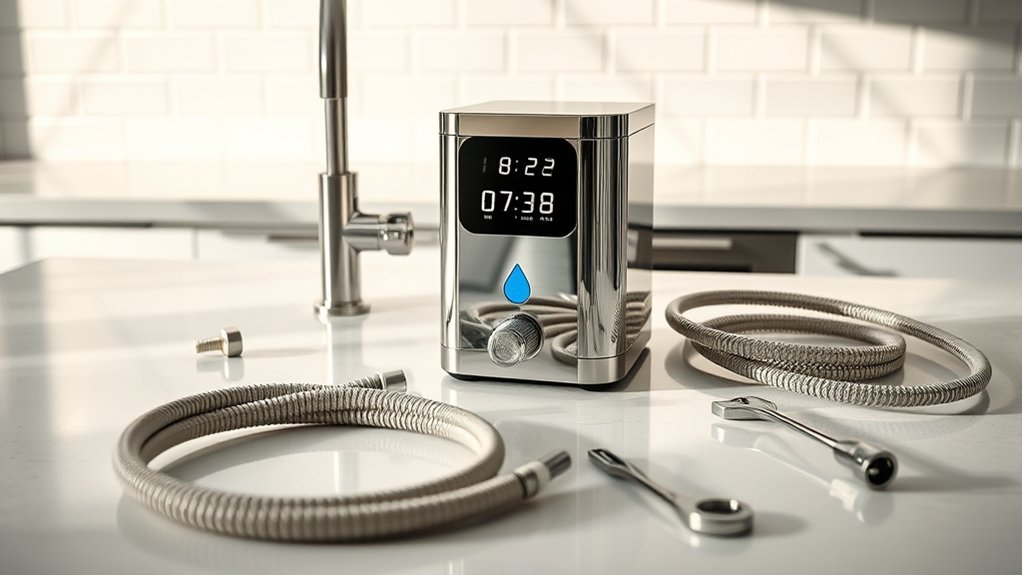
Water ionizer installation typically costs $100 to $500, depending on the unit, plumbing changes, and labor rates in your area. We’ll usually pay less when the unit connects to an existing faucet and water line. Adding a dedicated outlet, drilling a countertop, or rerouting pipes can raise the total.
Installation labor rates vary by location and plumber experience. Ask for an itemized estimate that separates labor, fittings, and any travel or service fees. We should also confirm whether the quoted price covers leak testing and cleanup.
Check permit requirements with your local building department before work begins. A simple countertop connection may not need a permit, while electrical or plumbing modifications could. If approval is required, include application fees and inspection costs in your budget, and schedule the work to avoid delays.
What Does the Ionizer Unit Cost?
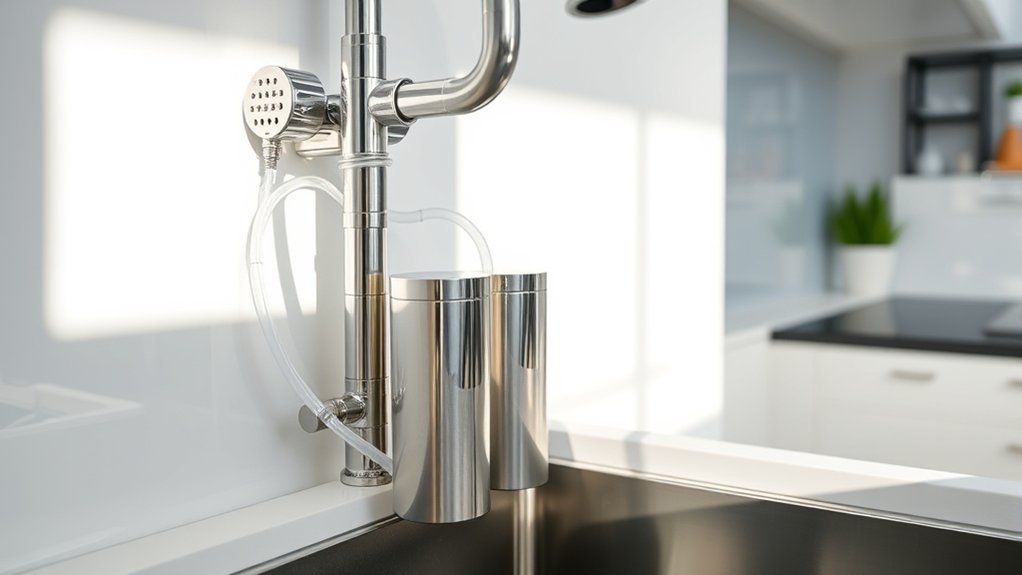
Most water ionizer units cost $500 to $3,000, with price largely driven by filtration stages, plate quality, and features such as digital controls. We can narrow the Purchase price by comparing capacity, warranty coverage, and replacement-filter costs, not just the advertised number. Entry-level models often provide basic settings and fewer plates, while premium units may add more filtration options, stronger warranties, and automated controls. A model comparison helps us see whether those upgrades justify the added expense for your household. Check what the quoted price includes: some sellers bundle filters or accessories, while others charge separately. Also confirm whether the warranty covers the electrodes and electronics, since repairs can affect long-term value. Set a budget that accounts for ongoing filter purchases, and choose features you’ll use rather than paying extra for options you don’t need.
How Do Plumbing and Site Conditions Affect the Bill?
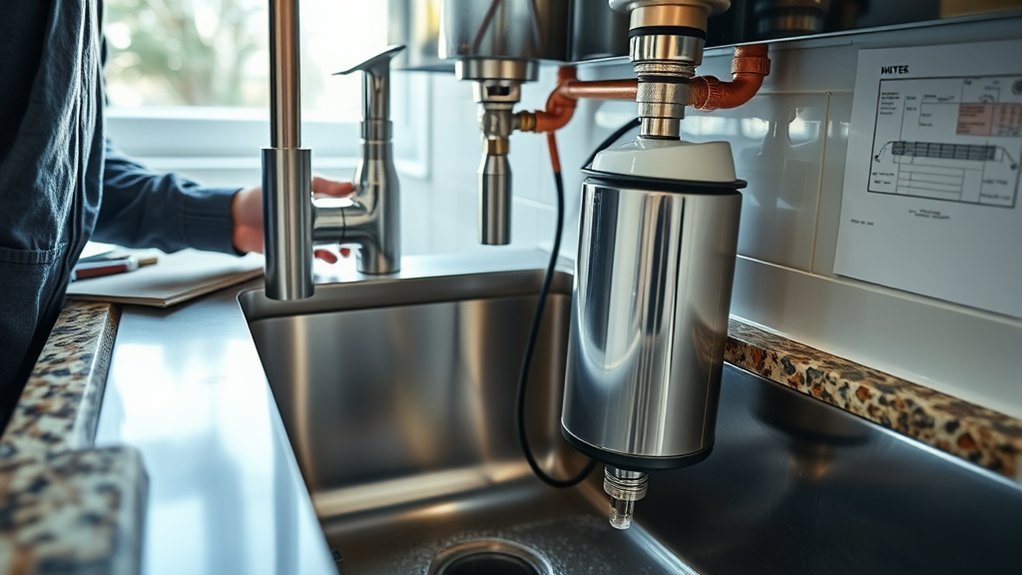
Installation costs depend on how easily the unit connects to your plumbing and where you want it placed. A nearby cold-water line and accessible shutoff can keep labor modest; older or crowded cabinets may require extra fittings or rerouting. We should also check drain access if the model sends wastewater to a drain, since a long or awkward route can add parts and labor. Countertop clearance matters, too: tight space may require moving appliances or adjusting the setup.
| Site condition | Possible cost effect |
|---|---|
| Accessible water line | Fewer parts and labor hours |
| Limited drain access | Added tubing or routing work |
Before budgeting, we can measure cabinet space, note the nearest water and drain connections, and ask installers to price any needed modifications separately. These details help us compare estimates on equal terms.
When Is Professional Installation Worth the Cost?
If the setup requires new plumbing, drain routing, or cabinet modifications, hiring a licensed plumber can be worth the added fee. We should compare the quote with the likely cost of leaks, repairs, or delayed installation. Professional help pays when the work involves unfamiliar connections, tight access, or changes that could affect the sink or cabinetry.
- A plumber can identify incompatible fittings before they trigger extra parts costs.
- Careful connections can reduce the risk of water damage and a costly service call.
- A written labor estimate helps us compare hourly charges, travel fees, and included materials.
- Confirmed workmanship coverage may add installation warranty value if a connection fails.
We should also check whether the ionizer manufacturer requires professional installation for warranty eligibility. When the fee protects coverage or prevents expensive rework, paying for qualified service can be the more economical choice.
What Does DIY Water Ionizer Installation Require?
For a straightforward under-sink setup, we can often install a water ionizer ourselves with basic tools and the right fittings. Before buying, we should check faucet compatibility and confirm the unit’s connection sizes match our plumbing. Most kits include tubing, a diverter or tee, and fittings; we’ll need to verify what’s supplied.
Our DIY installation tools typically include an adjustable wrench, screwdriver, tape measure, and towels to catch drips. We should shut off the cold-water supply, follow the manufacturer’s steps, and test every joint for leaks before using the unit. Allow time to route tubing neatly and position the ionizer near an outlet.
DIY can avoid labor charges, but it’s worthwhile only if we’re comfortable with basic plumbing. If connections don’t fit or instructions are unclear, we should stop rather than risk a leak.
Which Extra Costs Should You Budget For?
Beyond the ionizer and installation fee, we should budget for plumbing modifications if your connections need updates. We may also need to pay for electrical work, such as adding an outlet near the unit. Finally, include replacement filters in your ongoing costs, since they require periodic changes.
Plumbing Modifications
When your sink lacks a compatible water line or shutoff valve, plumbing modifications can add to the installation bill. We’ll need to assess access, pipe condition, and the ionizer’s connection requirements before estimating the work. Straightforward changes may cost little, while concealed or outdated plumbing can raise labor and materials charges.
- Adding shutoff valves may require a new fitting and a plumber’s service call.
- Pipe rerouting can increase costs when cabinets, walls, or tight spaces limit access.
- Replacing corroded supply lines adds parts and labor, especially if connections won’t seal reliably.
- Drilling or adapting a sink connection may involve specialized fittings and extra installation time.
Ask for an itemized quote that separates parts, labor, and repair allowances. We can then compare bids and confirm whether the price includes cleanup and leak testing.
Electrical Work
If your water ionizer needs a grounded outlet or a new circuit, electrical work can add to the installation cost. We should first check the manufacturer’s power specifications and your kitchen’s existing wiring. A nearby, properly grounded outlet may keep labor costs low; an electrician might charge roughly $100 to $250 for a straightforward outlet installation, depending on local rates and access.
Dedicated circuit requirements can raise the bill if your panel needs a new breaker or the electrician must run cable through finished walls. That work may cost several hundred dollars or more. GFCI outlet placement also matters near sinks: code requirements and the outlet’s distance from water can affect the location and installation method. Ask for an itemized quote covering parts, labor, permits, and any wall repairs before scheduling work.
Replacement Filters
After electrical work, budget for replacement filters, which add recurring costs to a water ionizer’s ownership. We should check the manufacturer’s replacement schedules before buying, since cartridge life varies with water quality and daily use. Compare filter pricing, but include shipping and any required prefilters in your estimate. A lower upfront price may cost more over time if the cartridge needs frequent changes.
- Sediment filters: typically protect the system from particles; check replacement intervals and unit prices.
- Carbon filters: reduce chlorine and odors; compare compatible cartridge costs.
- Mineral or specialty cartridges: may need more frequent replacement, depending on the model.
- Service costs: add labor if we’d rather have a technician replace filters.
Track each change and set aside a yearly allowance. We’ll avoid unexpected purchases by confirming cartridge availability and warranty requirements before installation.
How Can You Keep Installation Costs Down?
You can keep water ionizer installation costs down by handling simple setup tasks yourself, comparing itemized quotes, and confirming what the installer’s fee includes. We can clear the cabinet, empty the sink area, and check that the outlet and water supply are accessible before the appointment. Ask whether the quoted price covers hoses, fittings, drilling, travel, and cleanup; these extras can raise the final bill.
Compare installation quotes from at least three qualified installers, using the same scope of work for each. We should also ask about warranties and fees for changes if the existing plumbing needs adjustments. If timing is flexible, schedule off peak work, such as a weekday appointment, and ask whether the installer offers a lower rate. Don’t skip required permits or professional work to save money; repairs could cost more.
Frequently Asked Questions
How Often Should a Water Ionizer Be Cleaned?
Clean your water ionizer every six months, or more often with hard water or heavy use. For cost-effective maintenance, we recommend checking your manual for Cleaning frequency and approved Cleaning methods to prevent damage.
How Frequently Should Water Ionizer Filters Be Replaced?
Replace water ionizer filters every 6–12 months, following your manufacturer’s guidance. Our Filter replacement schedule depends on usage and water quality; Filter lifespan factors include sediment levels, household demand, and cartridge capacity, affecting annual replacement costs.
Does a Water Ionizer Change Water’s Mineral Content?
Yes, a water ionizer can change water’s mineral content, depending on its filtration and electrolysis design. We’d check its mineral retention levels and specifications, since some models preserve minerals while others remove certain minerals during treatment.
Can a Water Ionizer Connect to a Refrigerator or Ice Maker?
Yes, we can connect some ionizers to your refrigerator’s Refrigerator Water Line—but there’s a catch: Ice Maker Compatibility varies. We’ll check pressure, tubing, and filtration requirements first to avoid costly leaks or repairs.
What Maintenance Does a Water Ionizer Need After Installation?
After installation, we recommend Routine upkeep: replace filters on schedule, clean the unit as directed, and inspect connections for leaks. We’ll perform Performance checks to confirm flow, water quality, and settings, helping you avoid costly repairs.
Conclusion
Water ionizer installation costs can rise like a faucet left running: the unit is only part of the bill. We should budget $100–$500 for installation, then account for plumbing changes, electrical work, permits, and fittings. Before hiring, we can compare three itemized quotes and confirm what each includes, from leak testing to cleanup. A clear cabinet and accessible connections help keep labor down. With careful planning, we can avoid surprise expenses and get clean water without draining our budget.