Ad Blocker Detected
Our website is made possible by displaying online advertisements to our visitors. Please consider supporting us by disabling your ad blocker.
We can budget roughly $100–$300 a year for water ionizer maintenance, but filter prices, water quality, and service rates can shift that figure. We’ll also need to account for cleaning, testing, and occasional repairs—not just scheduled cartridge changes. Before choosing a service plan, let’s separate routine costs from less predictable ones and see which expenses are worth planning for.
Key Takeaways
- Budget approximately $100–$300 annually for routine maintenance; hard water, repairs, and local service rates can increase costs.
- Replacement filters typically cost $20–$100 each, with some proprietary cartridges exceeding $150; compare annual costs and shipping.
- Filters commonly need replacement every 6–12 months, depending on usage, water quality, rated capacity, and indicator status.
- Ask for itemized service quotes separating labor, parts, and travel fees; compare repair estimates with warranty coverage and replacement costs.
- Track filter changes, cleaning, water conditions, usage, and expenses to plan service and avoid unnecessary maintenance.
What Does Water Ionizer Maintenance Cost?
Water ionizer maintenance typically costs $100–$300 per year, though the total depends on your model, filter replacement schedule, and local service rates. We can estimate your Annual budget by checking the manufacturer’s maintenance schedule and adding routine service charges, cleaning supplies, and any water-quality testing. Costs may rise if hard water causes scale buildup or if a technician must diagnose reduced flow, leaks, or electrical faults. We should also account for whether local service providers charge travel fees or offer maintenance plans. Compare these expenses with the unit’s expected ownership lifespan: regular care can help protect performance and delay premature replacement, but it won’t eliminate wear. Keep service records and review spending annually so we can identify unusual increases and plan repairs without confusing routine upkeep with major component replacement.
How Much Do Replacement Filters Cost?
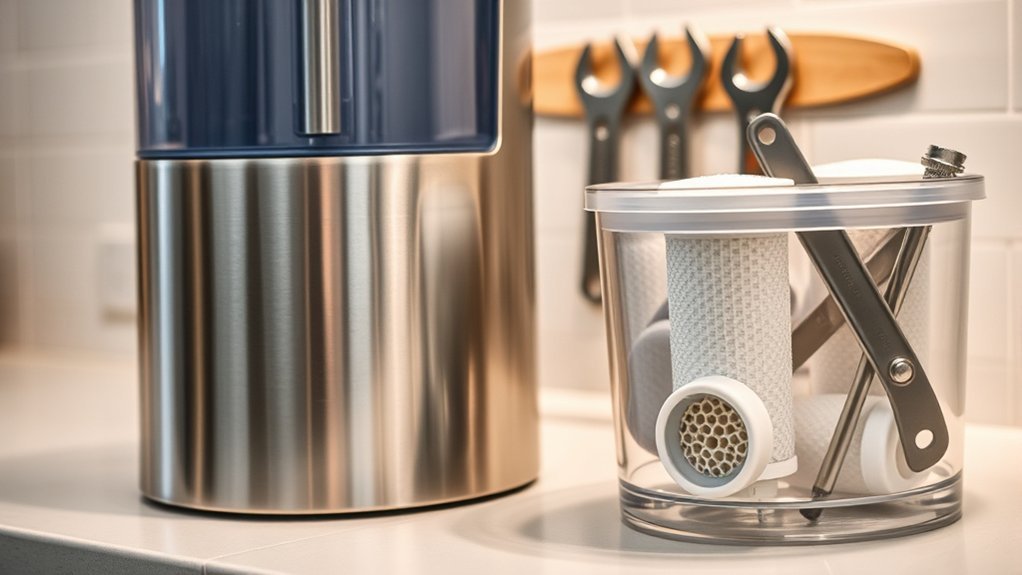
Replacement filters typically cost $20–$100 each, while proprietary cartridges for some ionizers can exceed $150. Your annual expense depends on how many cartridges your unit uses and how often you replace them. Check the manual for compatible Replacement filter brands; third-party options may cost less, but confirm their specifications and certifications before buying.
Budget for compatible cartridges and replacement frequency; third-party filters may cost less, but verify their specifications and certifications.
- Check filter lifespan: Manufacturers commonly recommend replacement every 6–12 months, though water quality and usage can shorten that interval.
- Compare cartridge prices: Include shipping and consider multipacks only if you’ll use them before their expiration date.
- Track replacement dates: We can note installation dates and follow the unit’s indicator, if equipped, to avoid replacing filters too early or too late.
Budget for the model’s specified cartridges, not just the lowest advertised price.
What Does Cleaning and Descaling Cost?
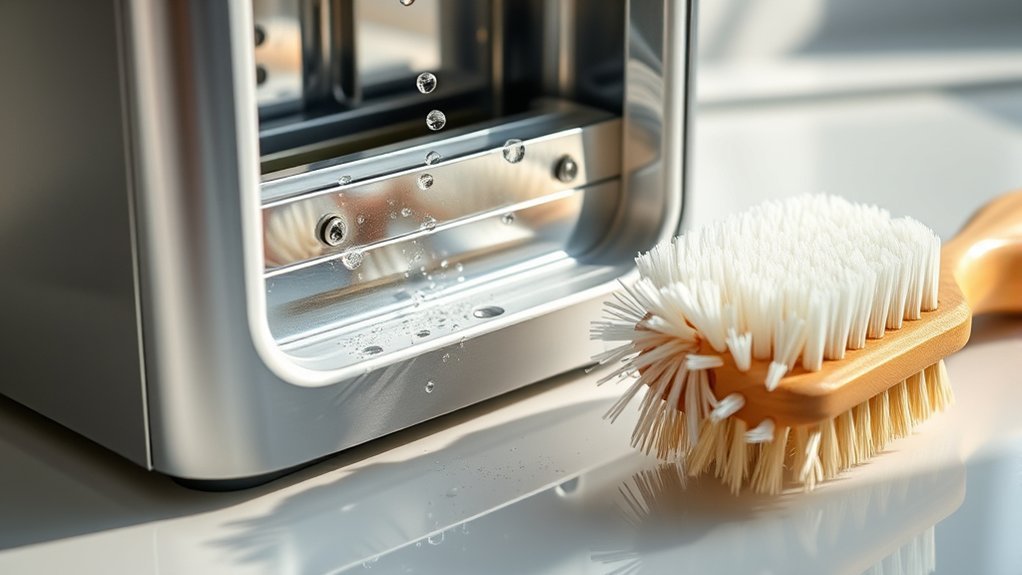
Cleaning and descaling can cost nothing if you do the work yourself with a manufacturer-approved solution; professional service may cost more, depending on the unit and local labor rates. Check your manual for the recommended interval, cleaning method, and solution. DIY cleaning supplies may include the approved descaler, a clean container, and replacement tubing if the procedure requires it; don’t use vinegar or harsh chemicals unless the manufacturer permits them. Descaling service pricing varies with the ionizer model, scale buildup, and whether the technician charges a call-out fee. Ask for an itemized quote that separates labor, materials, and travel costs. We can reduce avoidable service visits by following the specified flush cycle and cleaning schedule. After descaling, run the required rinse cycles before dispensing water, and record the date for your next maintenance check.
When Do Ionizer Parts Need Repair or Replacement?
After descaling, check whether symptoms point to a worn or damaged part rather than mineral buildup. We can narrow the cause by noting when the fault occurs and whether the display shows an error code. Don’t open the unit; electrical faults can expose live components, so use a qualified technician for diagnosis.
- Weak or unstable output: If water flow is normal but pH readings remain inconsistent, the plates may be worn. Plate lifespan varies by model and condition; ask a technician to test performance before replacing the cell.
- Leaks or poor flow: Damaged tubing, seals, or valves may need repair when tightening connections doesn’t stop leakage.
- Power or control problems: Repeated shutdowns, blank displays, or error codes can indicate a failing power supply, sensor, or control board.
Compare repair costs with the manufacturer’s warranty and replacement estimate before authorizing work.
How Does Usage Affect Maintenance Costs?
The more water you run through an ionizer, the sooner its filters may need replacement and its plates may need descaling. Higher daily water volume sends more minerals and particles through the system, increasing filter loading and scale formation. As those deposits build, we may see slower flow, reduced output, or less consistent water quality. Household size helps us estimate demand, but actual use matters more: cooking, drinking, and filling bottles all add to the total. Check the manufacturer’s service intervals and compare them with your consumption and water hardness. A large household using hard water may reach service thresholds sooner than a smaller household using softer water. Track filter life and descaling frequency over time; these records help us relate maintenance costs to real usage rather than relying on household size alone.
How Can You Keep Maintenance Costs Down?
We can lower service costs by cleaning the ionizer plates regularly to maintain efficient operation. Replace filters on schedule to protect performance and avoid unnecessary strain on the system. We can also prevent mineral buildup by following the manufacturer’s descaling instructions.
Clean Plates Regularly
Because mineral scale can restrict water flow and reduce electrolysis efficiency, clean your ionizer’s plates at the intervals specified by the manufacturer. Consistent plate cleaning frequency helps us prevent buildup before it requires costly service. Follow these steps:
- Turn off and unplug the unit, then close its water supply before opening the cleaning port or removing components.
- Use only the manufacturer-approved cleaning solution and dilution. Check cleaning solution safety instructions, and never mix chemicals or use abrasives that could damage the plate coating.
- Rinse thoroughly as directed, reassemble the unit, and check for leaks before restoring power and water flow.
If your model has an automatic cleaning cycle, run it as instructed; don’t assume it replaces periodic manual care. Keep a simple cleaning log so we can spot changes in scale buildup and adjust timing only within manufacturer guidance.
Replace Filters on Schedule
Replacing filters on schedule keeps water flowing properly and helps protect the ionizer’s internal components from sediment and contaminants. We can control costs by following the manufacturer’s Filter replacement timing, rather than waiting for reduced flow or taste changes. Check the manual for each cartridge’s rated capacity and service interval; local water quality and daily use may shorten its life.
| Filter task | Cost-control action |
|---|---|
| Check model | Match cartridge to unit |
| Note capacity | Track gallons used |
| Set schedule reminders | Record due dates |
| Inspect indicator | Confirm replacement status |
We can set schedule reminders on a phone or maintenance log, then keep a compatible spare cartridge available. Replace only the specified filter, seat it correctly, and reset the unit’s indicator if required. Record the date and cost after each change. This routine helps us avoid premature replacements, missed intervals, and unnecessary service calls.
Prevent Mineral Buildup
Prevent mineral buildup by following the ionizer’s cleaning schedule and using only the descaling solution recommended for your model. Regular flushing helps remove deposits before they restrict water flow or reduce electrode performance. Check your manual for the correct cycle and solution concentration; harsh acids can damage internal parts and increase repair costs.
- Test your water hardness periodically. If it’s high, clean the unit at the manufacturer’s shorter recommended interval.
- Rinse the inlet screen and inspect tubing for deposits during routine filter changes.
- Drain the unit before extended downtime, then follow the manual’s instructions for mineral free storage.
These scale prevention steps help us avoid premature servicing and protect output quality. Don’t increase cleaning frequency without guidance: excessive descaling can wear components. Keep a simple maintenance log with dates, water conditions, and cleaning products, so we can spot buildup early and plan service efficiently.
Frequently Asked Questions
Does Water Ionizer Maintenance Affect the Manufacturer’s Warranty?
Yes, maintenance can affect your manufacturer’s warranty if you skip required servicing or use unapproved parts. We recommend following the manual, keeping maintenance records, and checking warranty coverage terms to protect your claim if problems arise.
Can I Maintain a Water Ionizer Myself, or Do I Need a Technician?
You can handle routine DIY maintenance tasks, such as cleaning plates and replacing filters, if your manual permits. We recommend a technician for repairs, electrical issues, or persistent faults; compare technician costs before booking.
How Can I Find a Qualified Water Ionizer Service Provider?
We can find a qualified provider by checking manufacturer-approved directories, verifying technician credentials and ionizer-specific experience, and confirming service availability in your area. Ask about diagnostic procedures, replacement parts, warranties, and written estimates before scheduling service.
Are Maintenance Costs Different for Countertop and Under-Sink Ionizers?
Yes, countertop models usually cost less to install and maintain; under-sink units may require higher installation expenses and plumbing modifications. We should compare filter prices, replacement intervals, and service fees before choosing your system.
What Signs Indicate My Water Ionizer Needs Professional Servicing?
When your ionizer starts auditioning as a percussionist, we’d call that a warning: unusual noises, persistent leaks, reduced flow, error codes, or inconsistent pH readings warrant professional servicing. We’d also stop using it if water tastes unusual.
Conclusion
We can keep water ionizer maintenance predictable by tracking filter changes, cleaning, water conditions, and repair costs. Annual upkeep often runs $100–$300, but usage, local service rates, and proprietary parts can shift the total. We should follow the manual, use approved descaling solutions, and compare itemized service quotes with warranty coverage. Think of maintenance as a small investment in reliability: timely care can prevent minor issues from snowballing into expensive repairs or premature replacement.