Ad Blocker Detected
Our website is made possible by displaying online advertisements to our visitors. Please consider supporting us by disabling your ad blocker.
A budget water ionizer can fit a modest budget, but a low purchase price doesn’t guarantee low ownership costs. We should compare its rated output with our household’s drinking and cooking needs, then check filtration, electrode materials, cartridge prices, and service intervals. Ionization alone won’t reliably remove contaminants, and health claims deserve scrutiny. Before choosing a model, we also need to account for kitchen space, installation, warranty terms, and one cost that’s easy to overlook.
Key Takeaways
- Compare total costs over several years, including the unit, replacement filters, installation, electricity, and maintenance.
- Choose a model whose daily output and dispensing speed match household use, with modest capacity for busy days.
- Check filter certifications and contaminant-reduction claims; ionization alone does not reliably remove contaminants or microbes.
- Verify replacement-filter prices, availability, rated capacity, and intervals to estimate ongoing costs.
- Confirm warranty coverage, seller return policies, installation requirements, and available space before buying.
What Budget Water Ionizers Can: and Can’t: Do
A budget water ionizer can use electrolysis to raise or lower water’s pH, but its capabilities depend on its electrode design, water quality, and operating conditions. For Everyday hydration, we should view it as a device that changes water chemistry, not as a purifier or medical treatment. Electrolysis separates water near its electrodes; it doesn’t reliably remove dissolved contaminants, microbes, or particles. We’ll need appropriate filtration or tested source water if safety is a concern. Output pH can vary with mineral content, flow rate, temperature, and electrode condition, so readings from one setting won’t guarantee consistent results in every home. We should keep realistic expectations: a higher or lower pH reading doesn’t establish health benefits, and the machine can’t replace drinking water or clinical care. Follow its maintenance instructions and verify water quality when needed.
Compare Budget Water Ionizers by Price and Type
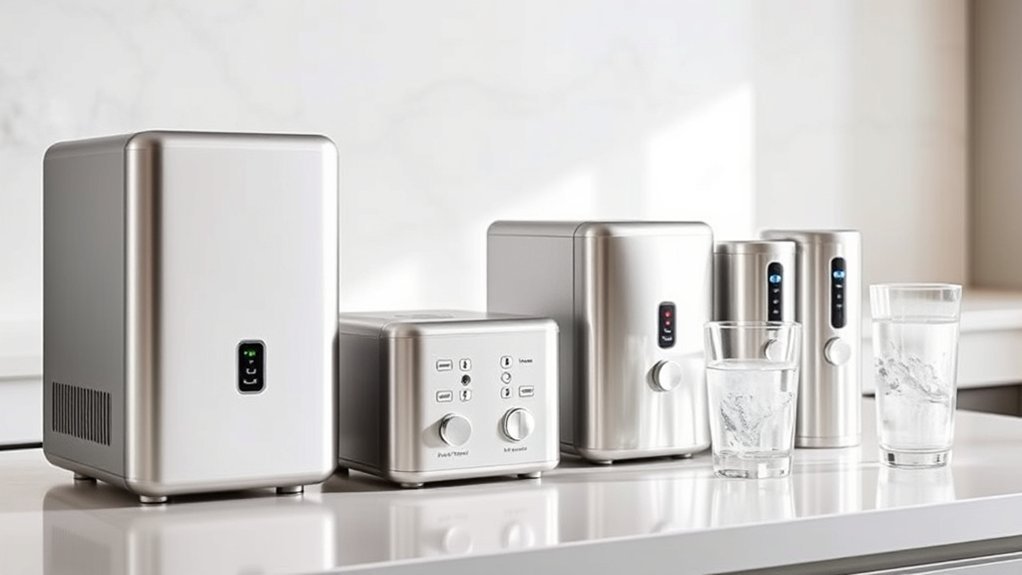
When comparing budget water ionizers, we should weigh price against type and operating costs, not just advertised pH ranges. Entry level countertop models typically cost less upfront and suit renters or households that want simple installation. Refurbished ionizers can offer higher-capacity features at a lower price, but we should check warranty terms and replacement-part availability before buying.
| Type | Typical cost considerations |
|---|---|
| Entry-level countertop | Lower purchase price; may require frequent filter purchases |
| Refurbished countertop | Reduced upfront cost; warranty coverage may be limited |
| Under-sink system | Higher installation expense; saves counter space |
| Portable unit | Lower commitment; capacity may limit household use |
We should compare total ownership cost over several years, including filters, installation, and service. A cheaper unit isn’t automatically the better value if support is difficult to obtain or recurring costs are high.
Check Filtration, Plates, and pH Settings
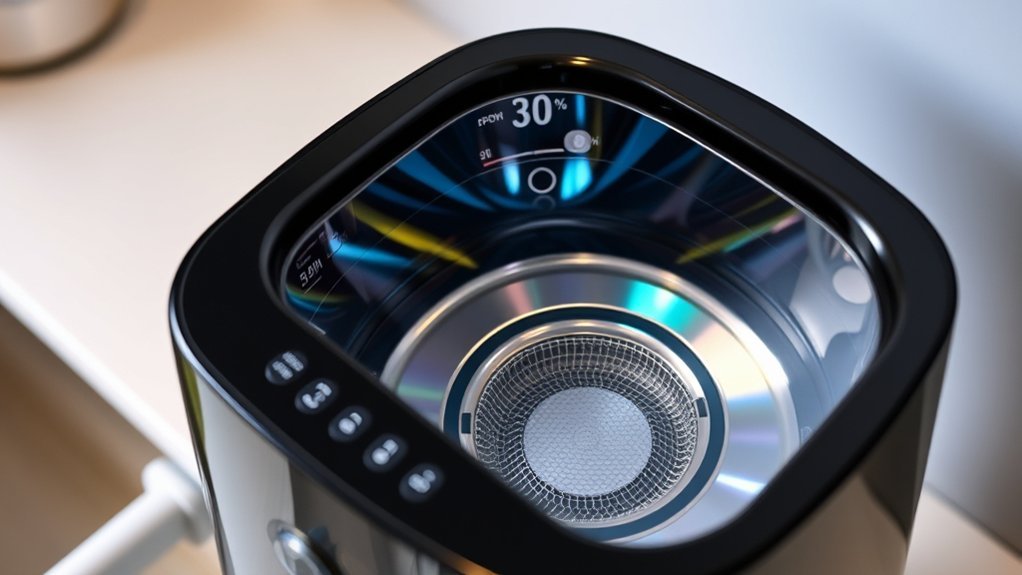
Before choosing a budget water ionizer, we should check its filtration stages, electrode-plate material and count, and available pH settings. Filtration effectiveness depends on the filter media and the contaminants it’s certified to reduce; we should match those claims to our water supply and replace cartridges at the specified interval. For electrolysis, titanium plates with a platinum coating resist corrosion, while plate count and surface area affect water contact and output. We should verify plate durability through material specifications, not marketing claims alone. Next, compare the machine’s pH range and preset options. A wider range isn’t automatically better: we should choose settings that suit our intended uses and follow manufacturer guidance. Check whether the display reports pH accurately and whether the unit lets us adjust settings consistently across different flow rates and water conditions.
Factor In Installation and Ongoing Costs
We should include installation fees when comparing a budget ionizer’s upfront cost. Check filter replacement prices and service intervals to estimate recurring expenses. We can then assess long-term maintenance costs against the unit’s expected lifespan.
Installation Fees
A budget water ionizer’s purchase price may not include the cost of installation, so check whether the unit requires professional plumbing or electrical work. We should confirm the manufacturer’s requirements before choosing a model, since a countertop unit may connect to an existing faucet while an under-sink system can need extra labor.
- Compare Professional installation rates from qualified local technicians.
- Ask whether plumbing modification charges apply to your sink or water lines.
- Check if the quote includes fittings, tubing, shutoff valves, and leak testing.
- Verify that the outlet meets the unit’s voltage and grounding specifications.
- Request an itemized estimate and confirm warranty conditions for self-installation.
We can reduce surprises by sharing photos of the cabinet, faucet, and nearby outlet when requesting quotes. If the installer finds incompatible connections, get the added cost approved before work begins.
Filter Replacement Costs
Although a budget water ionizer may have a low purchase price, replacement filters add recurring costs that affect its total cost of ownership. We should compare cartridge prices, replacement intervals, and availability before choosing a model. Replacement filter lifespan varies with water quality, usage, and the manufacturer’s rated capacity; check both the stated interval and gallon limit. Compatible cartridge sourcing also matters: proprietary filters may cost more or be harder to find than standard options.
| Cost factor | What to check | Budget impact |
|---|---|---|
| Cartridge price | Cost per replacement | Recurring expense |
| Replacement interval | Months and gallon rating | Purchase frequency |
| Cartridge compatibility | Model and supplier options | Availability and price |
We can estimate annual filter spending by dividing each cartridge’s price by its expected service period, then adding any shipping charges. Confirm the ionizer’s warranty requirements before buying third-party cartridges.
Long-Term Maintenance
Beyond filter expenses, we should include installation and routine maintenance when comparing budget water ionizers. A low purchase price may not reflect plumbing work, replacement fittings, or service needs. Check whether you can install the unit yourself or need a qualified technician, and confirm warranty requirements before choosing.
- Installation: We should budget for adapters, dedicated outlets, and labor if required.
- Cleaning frequency: Follow the manufacturer’s schedule; heavy use or hard water may require more frequent cleaning.
- Descaling procedures: Use only approved solutions and methods to protect plates and seals.
- Consumables: We should include cleaning agents and any non-filter parts in annual estimates.
- Service access: Check local technician availability and parts pricing before purchase.
Match a Budget Ionizer to Your Kitchen
We should compare an ionizer’s dimensions and installation requirements with the counter or cabinet space you have. Then we can match its rated output to your household’s daily water needs. This helps us avoid paying for capacity or features our kitchen can’t use.
Kitchen Space
How much counter space can you spare? We should measure the available countertop footprint before choosing a budget ionizer. Include the unit’s base, hose routing, and room to access controls; a tight fit can obstruct nearby appliances or make cleaning difficult. Compare these dimensions with the manufacturer’s specifications, not product photos.
For an under-sink model, we’ll check under sink clearance around plumbing, filters, and cabinet supports. Confirm that the installation leaves enough space to replace cartridges and reach shutoff valves. Also consider the faucet location and the route for drain and feed lines.
- Measure counter depth and width at the intended location.
- Allow access to buttons, connectors, and removable panels.
- Check cabinet height, obstructions, and service access.
- Verify hose paths won’t kink or cross storage areas.
- Confirm the outlet and water connection are reachable.
These checks help us select a unit that fits safely without sacrificing usable kitchen space.
Daily Water Needs
Before choosing a budget ionizer, estimate how much water your household uses each day for drinking and cooking. Track consumption for several typical days, including water used for beverages, meal preparation, and filling reusable bottles. This gives us a practical baseline rather than relying on household size alone.
Compare that baseline with the ionizer’s rated output and filtration capacity. Check how many liters it can process daily, how quickly it dispenses water, and whether its filters need replacement more often under heavy use. A unit that meets your daily hydration needs should support routine water intake without long waits or frequent refills.
Allow extra capacity for guests or unusually busy days, but avoid paying for output you won’t use. We can then match performance and filter costs to actual kitchen demand and budget.
Spot Claims and Features Worth Questioning
When comparing budget water ionizers, scrutinize claims about health benefits, water quality, and performance rather than relying on headline numbers. Marketing language can imply medical effects without credible clinical evidence. We should separate measurable specifications from promises and check whether tests describe the unit under normal household conditions.
Evaluate ionizer claims critically: distinguish measurable performance from promised health benefits, and verify testing reflects real household use.
- pH range: Confirm reported values with independent testing; input water chemistry affects results.
- ORP claims: Treat oxidation-reduction potential as a measurement, not proof of health benefits.
- Filtration: Check which contaminants the cartridge reduces and whether a recognized standard verifies performance.
- Flow rate: Compare output at stated pressure; faster flow may reduce contact time.
- Warranty limitations: Read exclusions for cartridges, electrodes, labor, and water conditions.
We can also question vague terms such as “medical grade” unless the seller defines them and supplies verifiable documentation. A high plate count alone doesn’t establish durability or consistent output.
Choose a Budget Water Ionizer With Confidence
With marketing claims set aside, we can choose a budget water ionizer by matching verified performance, filter certifications, operating costs, and warranty terms to our household’s water and usage. First, we should confirm the unit’s rated flow, pH range, and electrode material against independent test data; pH alone doesn’t establish water safety or health benefits. Check that replacement filters address contaminants found in our supply and carry relevant certifications, such as NSF/ANSI standards. Then calculate annual filter costs, expected service intervals, and electricity use rather than comparing purchase prices alone. Warranty coverage should specify parts, labor, electrode exclusions, and claim procedures. We should also assess retailer reputation through documented return policies, accessible support, and verified customer feedback. Before buying, confirm the model number, included accessories, and filter availability with the seller.
Frequently Asked Questions
How Often Should I Clean a Budget Water Ionizer?
We recommend Routine Cleaning every one to three months, following your model’s manual. Clean sooner if Mineral Buildup appears or flow slows. We’ll help you protect performance by checking filters and inspecting electrodes regularly.
Can I Connect a Water Ionizer to a Refrigerator?
Yes, we can connect some ionizers to refrigerators, like linking compatible pipes. Check Refrigerator Dispenser Compatibility and Installation Requirements first; we’ll verify pressure, tubing size, filtration, and manufacturer approval to prevent leaks or damage.
Does a Water Ionizer Work During a Power Outage?
Usually, your water ionizer won’t operate during a power outage because its controls and electrolysis require electricity. A Battery backup can keep it running; manual operation generally isn’t available. Check your model’s specifications for backup options.
How Can I Tell When an Ionizer’s Filter Needs Replacing?
We can tell your ionizer’s filter needs replacing when its indicator signals service, water flow decreases, or you notice unusual taste or odor. Check the manufacturer’s rated capacity and replacement schedule; don’t rely on taste alone.
Are Budget Water Ionizers Safe for Children and Pets?
Yes, we can consider them safe when properly maintained, but Water pH and child safety require avoiding extreme settings. For pet hydration considerations, we should provide fresh, neutral water and consult veterinarians about health conditions.
Conclusion
We can choose a budget water ionizer wisely by matching its rated output and footprint to our kitchen, then comparing the full cost of filters, service, installation, and electricity. We should verify filtration claims against our water supply and treat health promises and ORP readings cautiously. Before buying, we can confirm plate materials, cartridge availability, warranty terms, and return options. Think of it as a small household audit, not a quest for the philosopher’s stone: evidence and upkeep matter more than pH settings.