Ad Blocker Detected
Our website is made possible by displaying online advertisements to our visitors. Please consider supporting us by disabling your ad blocker.
We can expect premium water ionizers to cost about $2,000–$6,000, while entry-level models often start near $1,000. The price depends on more than plate count: filtration, materials, warranty, installation, and service can change the total substantially. To compare models fairly, we should look beyond the purchase price and estimate five-year ownership costs. That calculation can reveal why two similar-looking units differ by thousands of dollars.
Key Takeaways
- Premium water ionizers typically cost $2,000–$6,000, while entry-level models start around $1,000.
- Prices vary by features, build quality, filtration, warranty, and seller; request itemized quotes from authorized dealers.
- Compare plate construction, tested filtration performance, and useful features—not plate count or stage count alone.
- Budget for installation, replacement filters, maintenance, electricity, and repairs when estimating five-year ownership costs.
- Compare total purchase and financing costs with your budget; consider simpler models or verified discounts if prices exceed it.
What Do Premium Water Ionizers Cost?
Premium water ionizers typically cost $2,000 to $6,000, with pricing driven by plate count, filtration, output settings, and warranty coverage. That range gives us a practical benchmark, but advertised prices may exclude shipping, installation, or replacement filters. We should compare the total first-year cost, not just the checkout price, and confirm what the warranty covers.
Typical purchase scenarios include replacing an older countertop unit, outfitting a household with higher daily demand, or choosing a model with expanded filtration. Each scenario affects the value of added features, so we can match spending to actual use rather than pay for unused capacity.
Regional price differences also matter. Taxes, distributor margins, shipping costs, and local promotions can shift the final bill. We can request itemized quotes from authorized sellers and verify service availability before purchasing.
How Ionizer Price Tiers Compare
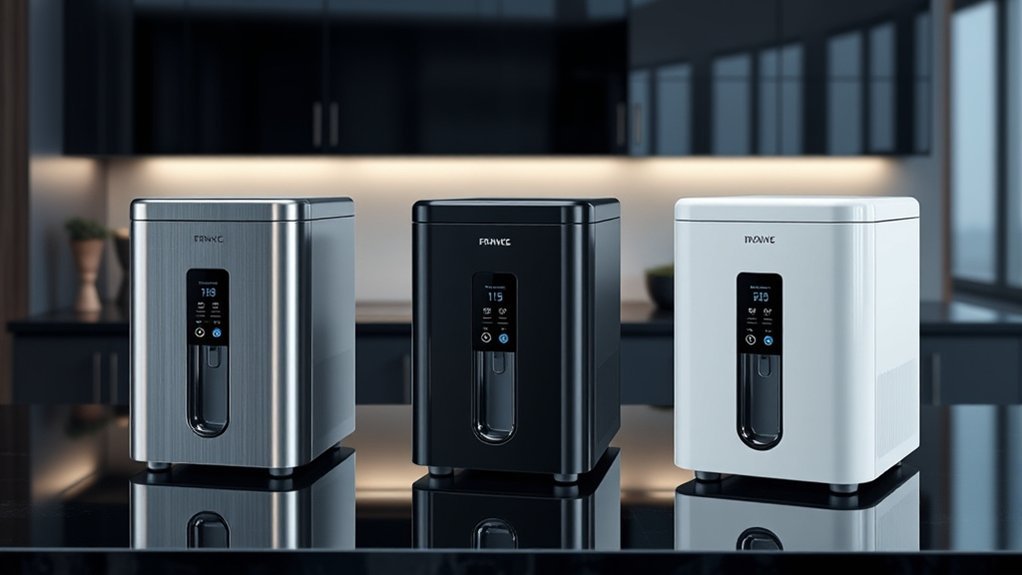
Although price tiers vary by brand, entry-level ionizers generally cost $1,000–$2,000, midrange models $2,000–$4,000, and high-end units $4,000–$6,000 or more. These ranges show how buyers can match spending to budget without treating the highest price as the default choice.
At the entry level, we can compare upfront cost and assess whether a basic unit meets household needs. Midrange pricing offers a broader selection, while premium pricing narrows the field to buyers willing to invest more. We should also account for sales, warranties, and retailer policies, which can shift the effective purchase price.
Current market trends show more sellers promoting monthly plans alongside outright purchases. Financing options can spread payments, but we should compare total repayment costs, fees, and terms before deciding. This approach helps us evaluate value across tiers and avoid stretching a budget based on headline prices alone.
Which Features Raise the Price?
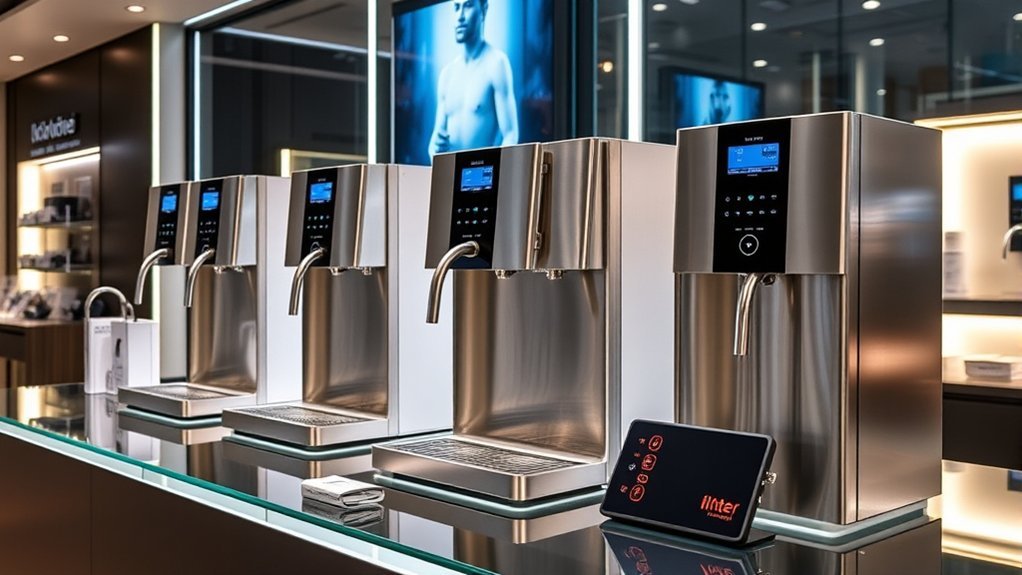
Beyond price tier, specific components and capabilities often explain why one ionizer costs more than another. When we compare models, we should assess whether added functions solve practical needs or mainly support a premium position. These four features commonly influence pricing:
- Smart connectivity: Wi-Fi or app access can add monitoring, alerts, and remote settings, increasing hardware and software costs.
- Touchscreen controls: Larger, clearer displays often cost more than basic buttons, especially when they offer presets and guided operation.
- Automated functions: Self-cleaning cycles, usage tracking, and programmable settings can reduce routine effort but raise system complexity.
- Build and warranty: Durable housings, refined finishes, and longer coverage may increase upfront prices while signaling stronger support.
We’ll get better value by comparing feature usefulness, price differences, and warranty terms—not by assuming every upgrade improves performance.
How Plates and Filtration Affect Cost
Plate count and filtration design can materially affect an ionizer’s price, but more plates or stages don’t automatically mean better value. We should compare plate material, surface area, and construction alongside count: these factors influence electrode durability and can better explain price differences than a headline number. Additional plates may support higher output, but only when the unit’s design and rated flow justify them.
Filtration costs depend on media type, contaminant claims, and filter capacity. A larger capacity can reduce replacement frequency, while specialized media may raise the purchase price. We should check capacity in gallons, the contaminants tested, and whether performance data comes from recognized standards. Compare the complete filtration specification—not stage count alone—against your water needs. This helps us distinguish measurable treatment value from premium pricing based mainly on feature labels.
What Installation and Upkeep Add
Installation and upkeep can raise an ionizer’s total cost well beyond its purchase price. We should compare the full cost of ownership, not just the advertised price, because plumbing, filter changes, and service visits vary by model and location.
An ionizer’s true cost includes installation, filter replacements, and ongoing service—not just the purchase price.
- Professional installation: A standard connection may cost less than custom plumbing or countertop modifications. Ask for a written quote before purchase.
- Filter replacements: Check each cartridge’s price and rated capacity. Frequent replacement can add a predictable recurring expense.
- Annual maintenance: Budget for cleaning, performance checks, and any recommended service; costs depend on the service plan and local rates.
- Operating needs: Include water testing or prefiltration if your supply requires it. These additions can affect both setup costs and ongoing spending.
We can estimate a five-year total by adding installation, scheduled consumables, and service to the unit price.
How to Compare Warranty and Build Quality
When comparing premium water ionizers, weigh warranty coverage and build quality alongside the purchase price, since repair limits and component durability can change the cost of ownership. Compare Warranty length by component: electrodes, electronics, and the housing may carry different terms, exclusions, and labor coverage. Check whether the manufacturer pays shipping and whether coverage requires registration or approved servicing. A longer warranty can reduce exposure, but only when claims are practical and the company remains responsive.
Assess housing durability through material specifications, seam quality, fittings, and resistance to heat or leaks. Review replacement-part availability and prices, since a robust exterior won’t offset costly internal failures. We should also compare published service intervals and failure data where available, rather than treating weight or premium finishes as proof of reliability. Record these factors beside each model’s price to compare likely repair risk on consistent terms.
Is a Premium Water Ionizer Worth It?
Is a premium water ionizer worth its higher price? We can assess the decision by comparing measurable benefits with the purchase premium, not by relying on broad health claims. Long term value depends on verified performance, expected service life, and ongoing operating costs.
- Water output: Compare flow rate, pH range, and filtration capacity against your household’s actual use.
- Evidence: Look for independent testing that supports performance claims; marketing figures alone don’t establish results.
- Ownership costs: Include replacement filters, electricity, maintenance, and likely repairs when estimating total cost.
- Usage value: Estimate cost per liter over several years, then compare it with your current water source.
If documented performance and sustained use justify the higher total cost, the premium may make sense. If not, a less expensive option could deliver better value for your needs.
How to Choose a Model Within Your Budget
To choose a water ionizer within your budget, set a total-cost limit before comparing models. Include installation, replacement filters, maintenance, and financing charges in that figure. This approach to setting spending limits prevents a low sticker price from masking higher ownership costs.
Next, compare models by measurable features: filtration stages, pH settings, flow rate, warranty length, and filter life. Check current prices and replacement-part costs, then calculate estimated expenses over five years. We can use that total to identify which upgrades justify their premium.
When evaluating financing options, compare the annual percentage rate, fees, repayment term, and total amount paid—not just the monthly payment. Choose a plan that fits your cash flow without pushing total costs beyond your limit. If prices exceed it, consider a simpler model or wait for a verified discount.
Frequently Asked Questions
Can I Finance a Premium Water Ionizer Purchase?
Yes, we can help you explore Financing options for a premium water ionizer purchase. Compare available plans, interest rates, and terms to estimate monthly payments, assess total costs, and choose an option that fits your budget.
Are Water Ionizers Eligible for Health Savings Account Reimbursement?
Water ionizers aren’t automatically eligible for HSA reimbursement. We recommend checking your plan administrator’s rules; you’ll typically need medical documentation showing medical necessity. Confirm HSA eligibility before purchasing, since approval depends on your circumstances and plan requirements.
Do Local Regulations Restrict Water Ionizer Use?
Yes—regulations can act like guardrails: we should check local plumbing and electrical codes before installing a water ionizer. Requirements vary by jurisdiction, so we’ll verify permits, approved connections, and licensed-installer rules with your local authority.
Can a Water Ionizer Connect to a Refrigerator or Ice Maker?
Yes, we can connect some water ionizers to refrigerators or ice makers, but compatibility varies by model and pressure. We’ll check Refrigerator water line compatibility and Ice maker installation options before recommending a setup.
What Water Testing Should I Do Before Buying an Ionizer?
Think of testing as our water-quality compass: before buying an ionizer, we should assess source water quality with contaminant testing for lead, arsenic, nitrates, bacteria, and hardness; compare results with local standards to identify treatment needs.
Conclusion
Premium water ionizers can cost $2,000–$6,000, with entry-level models starting near $1,000. That upfront gap matters, but so does the five-year total: filters, electricity, upkeep, repairs, and installation can change which option offers better value. We should compare itemized quotes, verified filtration performance, plate materials and surface area, and warranty terms—not just plate count or monthly payments. When we match those costs and features to our household’s needs, we can choose confidently without stretching our budget.