Ad Blocker Detected
Our website is made possible by displaying online advertisements to our visitors. Please consider supporting us by disabling your ad blocker.
We might not realize that water’s pH tells us how acidic or alkaline it is, but not whether it’s pure or safe. As we compare acidic and alkaline water, we’ll see how minerals affect taste, what research says about health and hydration, and why neither type can meaningfully change our body’s pH. The key difference may matter less than where the water comes from and what it contains.
Key Takeaways
- Acidic water has a pH below 7; alkaline water has a pH above 7. Neither label alone indicates purity or safety.
- Water’s pH can vary with its source, minerals, treatment, and measurement conditions.
- Taste depends more on dissolved minerals and other substances than on pH; acidic water may taste sharp, while alkaline water may taste mineral-like.
- Alkaline water has not been shown to hydrate better, prevent disease, or meaningfully change the body’s tightly regulated blood pH.
- Choose safe drinking water based on its source and mineral content; acidic water marketed for cleaning is not automatically suitable to drink or apply to skin.
Acidic Water vs. Alkaline Water: The Quick Difference
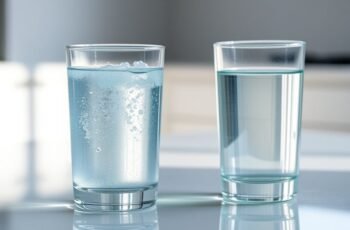
Although both terms describe water’s pH, acidic water has a pH below 7, while alkaline water has a pH above 7; pure water is neutral at pH 7. For a quick comparison, we can think of acidity and alkalinity as opposite sides of this scale. Neither label alone tells us whether water is safe, healthy, or suitable for a particular use; those judgments depend on other measurements and context.
Water’s pH can vary naturally with source geology, as minerals in rocks and soils influence the water that flows through or over them. This helps explain regional distribution: local groundwater and surface water may differ in pH. Treatment, plumbing, and pollution can also affect readings. So, when we compare samples, we should consider where they came from and why their pH matters.
What Does Water pH Actually Measure?
When we talk about water’s pH, we mean a measure of how acidic or alkaline it is, based on hydrogen ion activity. The pH scale typically runs from 0 to 14, with 7 considered neutral, though temperature and measurement conditions can affect readings. We can measure water pH with a calibrated meter or test strips, which vary in precision.
Meaning Of pH
What does pH actually tell us about water? It indicates how acidic or alkaline a sample is by reflecting hydrogen-ion activity. This helps us compare water chemistry, but pH alone doesn’t reveal whether water is safe, clean, or suitable for a particular use. We need other tests to assess contaminants and overall quality.
| Term | Meaning | Why it matters |
|---|---|---|
| pH history | A measure rooted in chemistry, not a purity rating | Context prevents overclaiming |
| measurement units | pH is reported as a unitless value | No concentration units are attached |
| Water sample | A reading depends on conditions and method | Reliable testing supports comparisons |
Temperature, dissolved minerals, and sampling can affect readings. When we interpret results, we should consider the water’s source, intended use, and testing method. A single number offers useful information, not a complete verdict about water.
The pH Scale
The pH scale places water on a range from acidic to alkaline by measuring hydrogen-ion activity. Because it’s a logarithmic scale, each whole-number step represents a tenfold change in hydrogen-ion activity, not a simple, equal increment. This distinction helps us interpret what a pH value means without assuming that small numerical differences are insignificant.
- Below 7, water is acidic, with greater hydrogen-ion activity.
- At 7, pure water is neutral under standard conditions.
- Above 7, water is alkaline, with lower hydrogen-ion activity.
These reference points describe chemical conditions; they don’t, by themselves, establish water’s safety or health effects. Temperature and dissolved substances can influence pH, so context matters when comparing values. The pH history traces the concept to measuring acidity, but the scale remains a practical way to describe water chemistry.
Measuring Water pH
To measure water pH, we assess the activity of hydrogen ions in a sample, usually with an electronic pH meter or a color-changing test. A meter estimates this activity from the voltage difference between its glass electrode and reference electrode. Before testing, we rinse the probe and perform electrode calibration with standard buffer solutions, commonly at pH 4, 7, or 10. This step helps improve accuracy, though temperature, contamination, and instrument condition can affect readings. Simpler methods include indicator strips and litmus testing. These can show whether water is acidic or alkaline, but they generally provide less precise results than a calibrated meter. We should collect a clean sample and follow the test instructions. A pH reading describes acidity at the time of measurement; it doesn’t identify contaminants or establish whether water is safe to drink.
How Acidic and Alkaline Water Are Made
Although acidic and alkaline water can occur naturally, manufacturers usually produce them by electrolysis, which separates water into streams with different pH levels. In this Electrolysis process, an ionizing unit applies an electric current to mineral-containing water. Its electrodes direct charged particles toward separate outlets, creating acidic and alkaline streams. The result depends on the source water, equipment, and operating conditions; electrolysis doesn’t remove every contaminant.
- Filter the feed water: Manufacturers may reduce sediment or unwanted compounds before treatment.
- Adjust mineral content: Mineral additives can improve conductivity when the water contains too few dissolved ions.
- Separate and test: The unit collects each stream, and producers check pH and other quality measures to confirm the intended output.
We should distinguish this controlled production from natural pH variation, which can arise through contact with rocks, soil, and dissolved gases.
How Taste and Everyday Uses Compare
Taste depends more on mineral content and dissolved substances than on pH alone: alkaline water may taste slightly bitter or mineral-like, while acidic water can taste sharp, though neither profile is universal. Flavor differences also reflect source water, treatment, and dissolved gases, so we shouldn’t assume every alkaline or acidic product tastes alike. When comparing samples, we can use clean glasses and serve them at the same temperature to make a fair assessment.
For household applications, we can choose water according to its intended use and product instructions. Drinking water should meet applicable safety standards, regardless of pH. Some acidic water systems are marketed for cleaning or rinsing, but suitability depends on the product and surface; we should check labels and avoid using it where the manufacturer advises against it. Alkaline water may also be used in cooking, though taste and results vary.
What Alkaline Water Can: and Can’t: Do for Health
We can stay hydrated with alkaline water, but current evidence doesn’t show that it hydrates better than regular water for most people. We’ll separate plausible benefits from health claims that lack strong support. We’ll also note who should check with a healthcare professional before drinking it regularly.
Potential Hydration Benefits
When it comes to hydration, alkaline water can quench thirst just as ordinary water does, but its higher pH hasn’t been shown to provide extra hydration or broader health benefits for most people.
For daily fluid needs, we can choose water based on taste, access, and cost. Hydration depends mainly on how much we drink and replace, not water’s pH. During exercise or heat exposure, a suitable fluid plan matters more than alkalinity.
- Exercise recovery: We can replace sweat losses with water; prolonged, intense sessions may also call for electrolytes.
- Hot weather performance: Drinking regularly helps us maintain hydration, while alkaline water hasn’t proved superior to plain water.
- Practical choice: If alkaline water encourages us to drink enough, it may help indirectly through greater fluid intake.
We should prioritize adequate fluids and individual needs over claims tied to pH.
Limits of Health Claims
Although alkaline water may change the pH of a drink, that doesn’t mean it can prevent disease, treat health conditions, or improve health beyond ordinary water. Our bodies tightly regulate blood pH, and the stomach’s acidity largely neutralizes what we drink. Some small studies report possible effects on hydration or specific measures, but they don’t establish broad health benefits or show that alkaline water outperforms regular water for most people. We should distinguish preliminary findings from proven outcomes and avoid treating testimonials as clinical evidence. Long term uncertainties remain because researchers haven’t adequately studied sustained use or meaningful health outcomes. These limits set clear marketing boundaries: claims should reflect reliable evidence, not imply cures or disease prevention. We can choose water for taste or preference, while recognizing that hydration matters more than its pH.
Who Should Use Caution
Even without proven broad health benefits, alkaline water may warrant caution for people with certain medical conditions or medication regimens. We shouldn’t assume that changing water pH is harmless or a substitute for care. Consider these situations:
- Kidney disorders: Healthy kidneys help regulate the body’s acid-base balance. If kidney function is impaired, ask your clinician before regularly drinking highly alkaline water, since individual needs and risks vary.
- Medication interactions: Some medicines rely on stomach acidity for absorption. Alkaline water could affect how certain drugs are absorbed, though evidence and effects differ by medication. Check with a pharmacist or prescriber rather than changing how you take a dose.
- Restricted diets or treatment plans: If we’re managing a condition with specific fluid or mineral guidance, confirm that alkaline products fit those instructions.
For most people, ordinary drinking water remains suitable; seek personalized advice when concerns apply.
What Acidic Water Can: and Can’t: Do for Health
Acidic water’s health effects depend on its acidity, mineral content, and how it’s used; we shouldn’t assume that a low pH makes water either harmful or beneficial. Some people try it for skin soothing, but evidence that it treats irritation or improves skin health remains limited. We should avoid applying strongly acidic water to skin, since it may sting or irritate.
| Use | What is established | Practical note |
|---|---|---|
| Skin soothing | Benefits aren’t established | Stop if irritation occurs |
| Household cleaning | Acidity may help remove deposits | Follow product directions |
| Treating illness | No proven cure | Don’t replace medical care |
We can distinguish household cleaning from health treatment: a solution useful on surfaces isn’t automatically safe to drink or apply to the body. Acidic water hasn’t been shown to prevent or cure disease, and claims of broad health benefits need reliable clinical evidence.
What the Evidence Says About Hydration
When it comes to hydration, the evidence points to how much fluid we get—not whether water is acidic or alkaline—as the main consideration. For most of us, thirst and regular access to safe drinking water help guide everyday intake. Needs vary with activity, climate, health, and diet, so there’s no single target that suits everyone.
Hydration depends more on getting enough fluid than on whether water is acidic or alkaline.
- During exercise, drink according to thirst and conditions; sports hydration plans may also account for duration, sweat loss, and electrolytes.
- In hot weather, increase fluids as needed, and build exposure gradually. Heat acclimatization can reduce strain, but it doesn’t remove the need to replace fluid losses.
- Choose water you’ll drink comfortably. Current evidence doesn’t establish that alkaline water hydrates better than ordinary water for most people.
We can focus on adequate intake, rather than water’s label or pH.
Can Either Type Change Your Body’s pH?
We can’t meaningfully change our blood pH by drinking acidic or alkaline water; the lungs and kidneys regulate it within a narrow range. Our stomach acid also neutralizes much of the water’s pH. Let’s look at what these processes mean for claims about either type of water.
Blood pH Regulation
Your lungs and kidneys keep blood pH within a narrow range, so drinking acidic or alkaline water won’t meaningfully change it. We can understand this control through three coordinated processes:
- Blood buffers, including bicarbonate, quickly limit shifts in acidity.
- Our lungs adjust carbon dioxide removal; this respiratory compensation can change blood acidity within minutes.
- Our kidneys regulate bicarbonate and support renal acid excretion, adapting more slowly but sustaining balance.
These systems keep arterial blood pH near 7.35–7.45 under ordinary conditions. Water’s pH alone doesn’t predict its effect on blood: digestion, absorption, and metabolism matter, and the body regulates the result. For most healthy people, either type hydrates without altering blood pH. Severe illness can disrupt regulation, but drinking alkaline water isn’t a substitute for medical care or treatment of an acid–base disorder.
Stomach Acid Effects
Although acidic or alkaline water may briefly affect the stomach’s contents, stomach acid and digestive secretions quickly buffer that change. This short-lived effect doesn’t meaningfully alter the pH of our blood or the body as a whole; the lungs and kidneys regulate blood pH within a narrow range.
Alkaline water may neutralize some stomach acid temporarily, but evidence doesn’t show that drinking it improves digestion or causes lasting harm in healthy people. Stomach acidity supports digestion and gastric enzyme activity, while the stomach restores its acidity as needed. Acidic water likewise won’t make the stomach persistently more acidic. If we have reflux, either drink could affect symptoms differently, but neither reliably treats the condition. We should seek medical advice for ongoing heartburn or esophageal irritation rather than relying on water’s pH.
Safety Risks, Dental Effects, and Who Should Be Cautious
Safety depends more on a water’s source and mineral content than on whether it is labeled acidic or alkaline. We should consider exposure, health conditions, and dental habits rather than assuming either type is inherently safe or harmful.
- Teeth: Frequent contact with acidic water may soften enamel, especially when water has low pH and little buffering capacity. Sipping it throughout the day can increase erosion risk and contribute to long term enamel damage. Rinse with plain water after acidic drinks, and avoid brushing immediately.
- Alkaline water: Typical drinking-water levels aren’t known to cause harm in healthy adults, but strong alkalinity may upset digestion or affect mineral balance.
- Caution: If you have kidney disease, take medicines affected by stomach acidity, or follow medical fluid restrictions, ask your clinician about possible medication interactions before changing your usual water intake.
How to Choose Between Acidic and Alkaline Water
To choose between acidic and alkaline water, start with your health needs, the water’s source, and its mineral content—not pH claims alone. For everyday hydration, safe, clean drinking water matters more than whether it’s marketed as alkaline. We can compare labels and, if needed, test water quality; pH doesn’t reveal contaminants or guarantee health benefits.
Consider taste, cost, and convenience, too. If you’re choosing bottled water, weigh Portability preferences against price and packaging waste. Reusable bottles filled with reliably safe tap water may reduce your environmental footprint. For home treatment, check what a filter removes and follow its maintenance instructions; don’t assume it changes pH or improves health without evidence.
If you have kidney disease, take medications, or follow medical advice about minerals, ask a clinician before switching. Choose the option you’ll drink consistently and safely.
Frequently Asked Questions
Can Acidic or Alkaline Water Be Used to Water Houseplants?
Yes, we can use either for plant watering, but we should check soil pH first. Most houseplants prefer slightly acidic conditions; extreme acidity or alkalinity can hinder nutrient uptake and damage roots over time.
Is It Safe to Use Acidic or Alkaline Water in a Humidifier?
Yes—we can use either, but pH matters less than mineral content; like Icarus, don’t overreach. Humidifier mineral buildup can impair performance and Indoor air quality, so we recommend distilled water and following your manufacturer’s instructions.
How Should Acidic and Alkaline Water Be Stored?
We should store acidic and alkaline water separately in clean, food-grade, tightly sealed Storage Containers, away from sunlight and contaminants. Use moderate Temperature Control, follow product labels, and avoid prolonged storage, since composition and container compatibility vary.
Can Acidic or Alkaline Water Affect Coffee or Tea Brewing?
Yes—we can affect Coffee flavor and Tea extraction through water pH and mineral content. Highly alkaline water may mute acidity; acidic water may alter taste. We’ll get more consistent results using balanced, mineralized water.
Do Water Filters Change Water pH?
Yes, water filters can change pH, but the effect varies. Filter media effects matter: some cartridges shift pH slightly, while others barely affect it. We can confirm changes with pH testing before and after filtration.
Conclusion
When we compare acidic and alkaline water, pH tells us about acidity—not purity, safety, or health value. The scale is logarithmic: water at pH 6 is ten times more acidic than water at pH 7. We shouldn’t expect alkaline water to hydrate us better or change our body’s pH. Instead, we can choose safe water that tastes good and meets local standards, while limiting frequent exposure to strongly acidic water that may harm tooth enamel.